
Uzbek Women Ready for New Connections in 2026
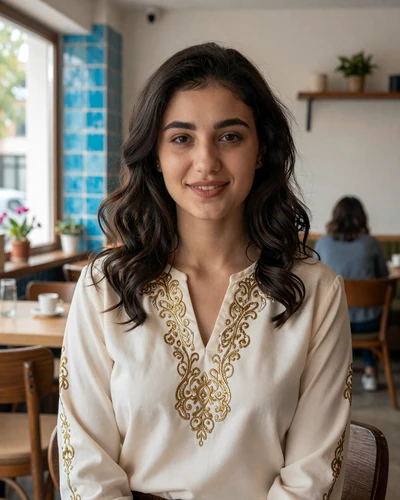 ✓
✓
Dilnoza Karimova
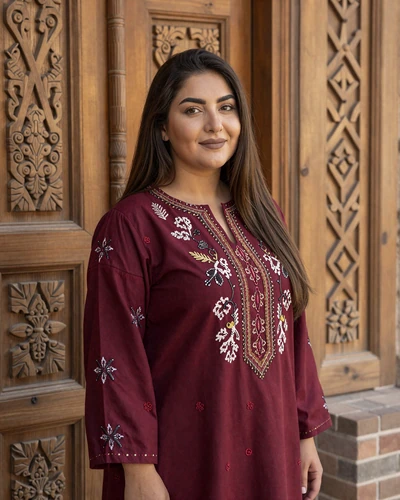 ✓
✓
Malika Usmanova
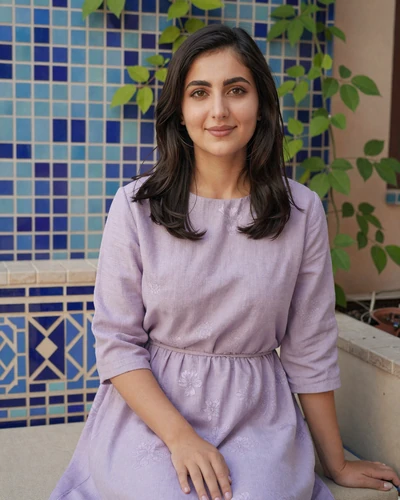 ✓
✓
Nodira Rakhimova
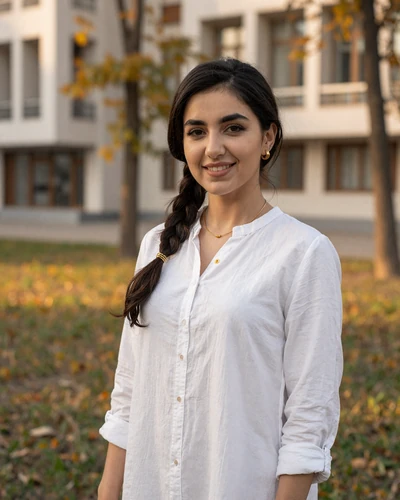 ✓
✓
Zarina Alimova
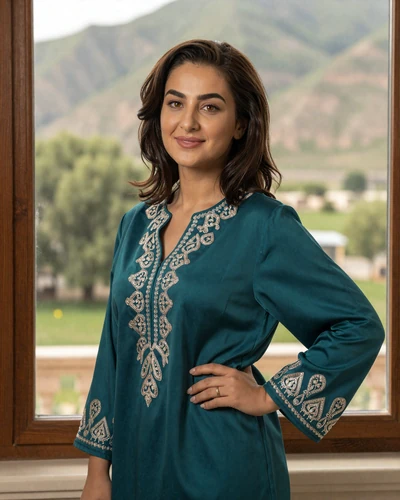 ✓
✓
Gulnara Tursunova
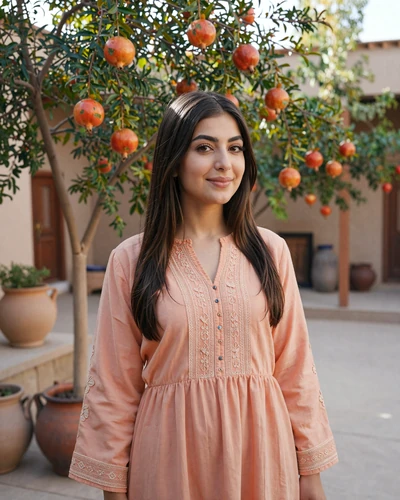 ✓
✓
Shahlo Muradova
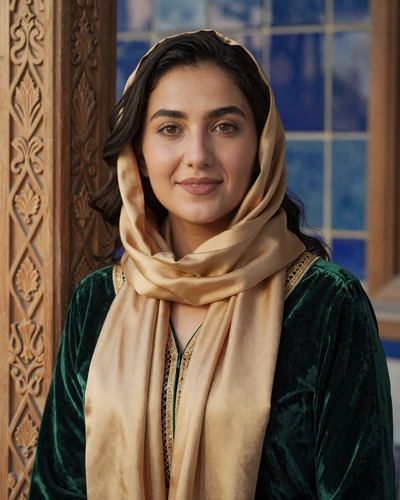 ✓
✓
Kamola Nazarova
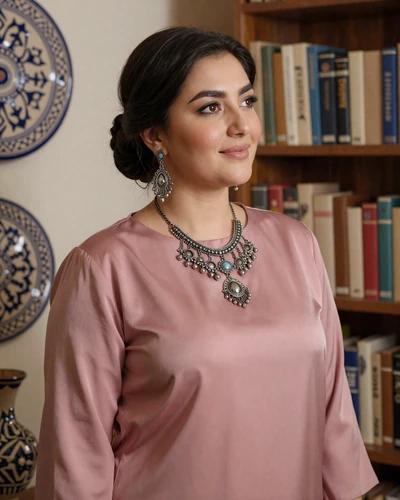 ✓
✓
Aziza Kholmatova
Uzbek Culture and the Legacy of the Silk Road
Uzbek women dating opens a doorway into one of the world's oldest and most culturally rich civilizations. Uzbekistan sits at the heart of the ancient Silk Road - the legendary trade network that connected China to the Mediterranean for over two thousand years. The cities of Samarkand, Bukhara, and Khiva were not mere waypoints on this route; they were thriving intellectual, artistic, and commercial centers where Persian poetry, Islamic scholarship, and Turkic warrior traditions converged into something altogether unique. The women who descend from this heritage carry that legacy in their bearing, their values, and their approach to love.
Modern Uzbekistan is Central Asia's most populous nation with over 35 million people, and it has experienced a remarkable opening since the late 2010s. Under sweeping modernization reforms, the country has liberalized travel, expanded internet access, and encouraged greater international engagement - all of which have made Uzbek women more accessible to Western men seeking genuine cross-cultural relationships in 2026. Yet beneath this modernization, the core cultural values remain intact: family devotion, gracious hospitality, Islamic faith, and a deep pride in Uzbek identity that stretches back centuries.
Samarkand, Bukhara, and the Heritage of Greatness
Uzbek women grow up surrounded by architectural wonders that remind them daily of their civilization's achievements. The Registan Square in Samarkand, the Kalyan Minaret in Bukhara, and the walled city of Itchan Kala in Khiva are not tourist attractions to them - they are family heritage. This cultural confidence shapes how Uzbek women carry themselves: with a quiet dignity and self-assurance that comes from knowing their ancestors built empires, hosted scholars, and produced some of the world's greatest mathematicians, astronomers, and poets, including Alisher Navoi and Mirzo Ulugbek.
Understanding this heritage matters because it shapes what Uzbek women expect from a partner. She is not looking for someone who pities her country or views her as needing "rescue." She comes from a civilization that was the intellectual center of the medieval world. Your respect for her heritage - demonstrated through genuine curiosity about Uzbek history, art, and literature - signals that you see her as an equal partner from a great tradition, not an exotic novelty.
If you are drawn to Central Asian cultures, the neighboring traditions of Kazakh women share nomadic Turkic roots with Uzbek culture, while Tajik women share the Persian literary and poetic traditions that profoundly shaped Uzbekistan's cities. Exploring these connections deepens your understanding of the entire region.
- Silk Road heritage infuses a deep cultural confidence and pride
- World-class architectural and artistic traditions shape national identity
- Persian literary influence creates a rich emotional and poetic expression
- Turkic strength and resilience underpin family and community bonds
- Rapid modernization since 2017 has expanded international connectivity
- Islamic faith provides the moral and social framework for daily life
What Makes Uzbek Women Stand Out
Uzbek women are widely regarded as among the most beautiful in Central Asia, and their appeal extends far beyond physical appearance. The Silk Road's centuries of cultural exchange produced a population with remarkably diverse features - you will find Uzbek women with striking high cheekbones, almond-shaped dark eyes, olive-to-fair complexions, and thick dark hair that reflects their mixed Turkic, Persian, and Mongol ancestry. But what truly distinguishes Uzbek women is the combination of grace, education, and family devotion that defines their character.
Beauty Rooted in Cultural Confidence
Uzbek women take pride in their appearance without vanity. Traditional Uzbek clothing - vibrant silk atlas fabrics, intricate suzani embroidery, and gold jewelry - reflects a culture that celebrates feminine beauty as an art form. In daily life, modern Uzbek women in cities like Tashkent dress in contemporary styles while reserving traditional attire for family celebrations, weddings, and holidays. This balance between modernity and tradition mirrors their approach to relationships: open-minded yet rooted in enduring values.
Education and Professional Ambition
Uzbekistan has invested heavily in education, and Uzbek women have embraced these opportunities. Female literacy rates exceed 99%, and women make up a growing proportion of university graduates in fields including medicine, education, economics, and IT. Many young Uzbek women speak multiple languages - Uzbek, Russian, and increasingly English - making cross-cultural communication far more accessible than in previous decades. She is not looking for a provider to depend on; she wants a partner who matches her intellectual curiosity and ambition.
Warmth, Hospitality, and Emotional Depth
Uzbek women express care through action rather than words. She will prepare elaborate meals, ensure your comfort in every detail, and anticipate your needs before you voice them. This hospitality is not servitude - it is the highest expression of Uzbek cultural values, where caring for others demonstrates strength of character. American men who experience this level of attentiveness frequently describe it as transformative, having never encountered such genuine, selfless warmth in previous relationships.
Core Qualities at a Glance
- Striking natural beauty reflecting diverse Silk Road genetic heritage
- Highly educated with multilingual capabilities (Uzbek, Russian, English)
- Gracious hospitality rooted in centuries of Silk Road welcoming traditions
- Strong family values with unwavering loyalty to husband and children
- Practical intelligence combining domestic skill with professional ambition
- Emotional resilience shaped by a culture that values perseverance and inner strength
- Culinary mastery - Uzbek cuisine (plov, samsa, shurpa) is legendary across Central Asia
- Modest yet confident demeanor that balances tradition with modern aspiration
Family and Mahalla Community Life in Uzbekistan
To understand Uzbek women dating, you must understand the mahalla - the traditional neighborhood community system that has organized Uzbek social life for centuries and remains a powerful force in 2026. The mahalla is far more than a geographic neighborhood; it is a self-governing community where elders mediate disputes, oversee public morality, organize celebrations, and ensure that families within the neighborhood uphold collective standards. When you enter a relationship with an Uzbek woman, you are not just meeting her family - you are being evaluated by an entire community.
The Mahalla System: Community as Extended Family
Each mahalla is led by an elected elder (oqsoqol) who serves as the community's moral and practical authority. The mahalla organizes weddings, funerals, and seasonal celebrations. It provides informal social welfare - neighbors contribute to families facing hardship, assist with construction projects, and collectively monitor the behavior of community members. For women, the mahalla provides both support and accountability. Her reputation within the mahalla directly impacts her family's social standing, which means her choice of partner is subject to community scrutiny alongside family approval.
Family Hierarchy and Household Roles
Uzbek families follow a hierarchical structure where the eldest male - typically the grandfather or father - holds decision-making authority on major matters including marriage. The eldest woman of the household (kelin boshi - senior daughter-in-law or grandmother) manages domestic operations, delegates responsibilities among younger women, and serves as the emotional anchor of the family. Younger daughters-in-law (kelinlar) are expected to demonstrate respect, obedience, and domestic competence - qualities that earn them increasing authority as they age and their own children grow.
This hierarchical structure extends to how your relationship progresses. Your first meaningful interaction is with her father and male relatives. Her mother evaluates your character and suitability through observation and indirect questioning. The mahalla elders form their own opinion based on community intelligence. Only when all these layers of evaluation align does the relationship receive the collective blessing needed to proceed toward marriage.
Hospitality as a Family Value
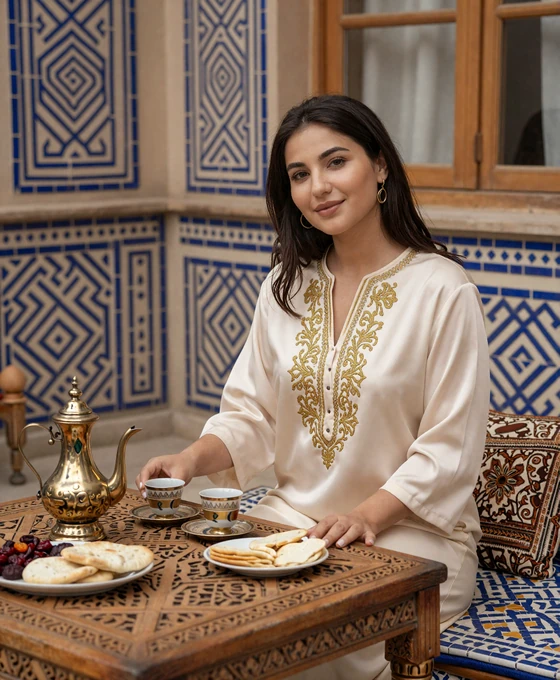
Uzbek hospitality (mehmondo'stlik) is legendary throughout Central Asia. When a family invites you to their home, expect a dastarkhan - a spread of food so abundant it covers the entire table: dried fruits, nuts, fresh flatbread (non), sweets, multiple courses of savory dishes, and endless cups of green tea. Refusing food is considered deeply disrespectful. Accepting generously - and praising the cooking - wins immediate family approval. This hospitality tradition is one of the most powerful bridges between Uzbek and Western cultures, because sharing a meal together communicates trust, acceptance, and genuine warmth that transcends language barriers.
The community-centered family structure of Uzbekistan shares deep similarities with neighboring Central Asian nations. Kazakh women operate within a comparable clan-based social system, while Tajik women navigate a similar blend of Persian cultural refinement and Islamic family values. Understanding these regional patterns helps you approach Uzbek family dynamics with cultural fluency.
| Family Role | Traditional Responsibility | Impact on Your Relationship |
|---|---|---|
| Father / Grandfather | Final authority on marriage decisions, financial planning, external representation | His approval is the single most critical milestone - invest heavily in earning his trust |
| Mother / Grandmother | Household management, emotional guidance, evaluation of potential in-laws | Her opinion shapes family consensus - show genuine respect and appreciation |
| Elder Brothers | Protectors of sisters' honor, secondary authority figures after father | Building friendship with brothers demonstrates family-oriented intentions |
| Mahalla Elders | Community moral authority, wedding coordination, reputation management | Community approval reinforces family approval - your conduct is watched |
| The Uzbek Woman | Family honor guardian, domestic responsibilities, cultural transmission | She balances personal desire with family and community expectations |
Dating Etiquette When Courting an Uzbek Woman
Dating Uzbek women requires a blend of patience, cultural sensitivity, and genuine sincerity that goes beyond typical Western dating norms. Uzbek society is conservative by American standards, and relationships are expected to lead toward marriage. There is no cultural framework for casual dating. Every interaction you have with an Uzbek woman - and especially with her family - is evaluated against the question: is this man marriage material?
-
Declare Your Intentions Early and Clearly
Uzbek families do not appreciate ambiguity. If you are interested in their daughter, communicate your serious intentions as early as possible - ideally through a family intermediary or during a formal introduction. Vague statements like "let's see where this goes" will be interpreted as lack of commitment. State plainly that you are seeking a wife and lifelong partner. This directness is not aggressive in Uzbek culture - it is expected and deeply respected.
-
Respect the Pace Her Family Sets
Uzbek courtship progresses at the pace of family trust, not individual desire. After initial introduction, the family will take time to evaluate your background, character, and financial stability. This investigation phase can last weeks or months. During this period, maintain consistent, respectful contact. Do not pressure for private meetings or push for faster progression. Patience demonstrates the maturity and stability Uzbek families value above all else.
-
Bring Meaningful Gifts When Visiting
Gift-giving is an important part of Uzbek social etiquette. When visiting her family, bring high-quality sweets, chocolates, or pastries - never alcohol. Gifts for her mother (premium tea, scarves, or quality housewares) signal respect for the matriarch's role. For her father, consider premium dried fruits, nuts, or a quality pen set. The gift itself matters less than the thoughtfulness behind it. Arriving empty-handed is a significant social misstep.
-
Master the Art of the Dastarkhan
When invited to a family meal, you will face a dastarkhan - a massive spread of food that is both a feast and a test. Accept every dish offered. Praise the cooking enthusiastically and specifically (not generic compliments - mention the plov, the samsa, the freshness of the non). Eat heartily but not gluttonously. Break bread (non) with your hands, never cut it with a knife. These details are observed closely and communicated throughout the mahalla as evidence of your character.
-
Avoid Physical Affection in Family or Public Settings
Public displays of affection are inappropriate in Uzbek culture, especially before marriage. No hand-holding, hugging, or kissing in front of family members or in public spaces. Physical intimacy is reserved exclusively for marriage. Violating this boundary - even with a well-intentioned gesture - can damage her reputation within the mahalla and jeopardize the entire relationship. Express your affection through words, thoughtful actions, and consistent reliability instead.
-
Learn Basic Uzbek Phrases
Even basic Uzbek greetings create an immediate positive impression. Assalomu alaykum (peace be upon you), Rahmat (thank you), and Xayr (goodbye) demonstrate genuine cultural investment. If she speaks Russian as well, knowing Spasibo (thank you) and Privet (hello) also helps. Language effort communicates respect far more effectively than expensive gifts or elaborate promises.
Uzbek Marriage Customs and Traditions
Marriage in Uzbekistan is the most important social institution - the event that defines a family's status, consolidates community relationships, and marks the transition to full adulthood. Uzbek weddings are elaborate, multi-day celebrations that can involve hundreds of guests and represent significant financial investment from both families. Understanding the customs, expectations, and ceremonial stages prepares you to navigate this process with confidence and cultural awareness.
The Stages of Uzbek Marriage
| Custom | Meaning | Modern Practice |
|---|---|---|
| Sovchilik (Matchmaking) | Formal request by the groom's family to the bride's family | Still practiced widely; intermediaries or respected elders initiate contact between families |
| Fotiha (Blessing Ceremony) | Religious blessing by an imam confirming both families' agreement | Remains essential; marks the official engagement and is witnessed by mahalla elders |
| Non Sindirish (Breaking Bread) | Symbolic sharing of bread between families sealing the engagement | Always observed; bread holds sacred significance - never refused or wasted |
| Mahr / Qalin (Bride Price) | Financial gift from groom's family to bride's family | Amount negotiated between families; can include cash, gold, livestock, or household goods |
| Kelin Salom (Bride's Greeting) | Bride formally greets groom's family with bows of respect | Still performed at the wedding; symbolizes her acceptance into the new family |
| Nikoh (Islamic Marriage Contract) | Religious ceremony officiated by an imam with witnesses | Legally required alongside civil registration at ZAGS office |
| To'y (Wedding Celebration) | Grand feast with music, dancing, and community celebration | Typically 200-500+ guests; held in large banquet halls with live music and traditional plov |
The Qalin (Bride Price) Negotiation
The qalin is a financial arrangement negotiated between the groom's and bride's families. Unlike mahr in Islamic law (which belongs to the bride personally), the Uzbek qalin traditionally goes to the bride's family as compensation for "losing" their daughter and as recognition of their investment in raising her. The amount varies dramatically by region, family status, and the bride's education level. In urban Tashkent, qalin expectations may be more modest or symbolic, while rural families may expect more substantial contributions. Approach this negotiation with respect and openness - it is a deeply embedded cultural practice, not a transactional exchange.
Wedding Celebrations and Plov
The centerpiece of every Uzbek wedding is plov - the national dish of rice, lamb, carrots, chickpeas, and spices cooked in a massive cast-iron kazan (cauldron). The oshpaz (master plov chef) is a respected figure who oversees the cooking of hundreds of kilograms of rice for the wedding feast. Watching the communal plov preparation on the morning of the wedding is a tradition that brings the entire mahalla together. For American men, participating in or observing this process demonstrates cultural enthusiasm that earns enormous respect.
The marriage traditions of Uzbekistan share structural similarities with those of neighboring Kyrgyz women and Turkmen women, where bride price negotiations and multi-day celebrations also anchor the marriage process. Understanding these regional patterns helps you navigate Central Asian wedding customs with greater confidence and cultural sensitivity.
Tips for Western Men Dating Uzbek Women
Success in dating Uzbek women depends on your ability to demonstrate the qualities that Uzbek culture values most: stability, sincerity, family commitment, and cultural respect. Here are the most critical areas where Western men must prepare themselves for a relationship that crosses not just geography, but fundamental worldviews.
Embrace the Collectivist Mindset
American dating culture centers individual connection - you and her, building a private world together. Uzbek culture operates collectively - your relationship exists within a network of family, community, and social obligations. This is not a limitation on your partnership; it is the ecosystem that sustains it. The men who succeed in marrying Uzbek women are those who stop fighting collectivism and start seeing it as the support structure that strengthens marriages, provides childcare assistance, and creates a sense of belonging that nuclear Western families often lack.
Show Financial Responsibility, Not Wealth
Uzbek families assess a potential son-in-law's financial stability - not his net worth. They want evidence of steady employment, responsible spending habits, and a clear ability to support a family. Flashy displays of wealth are viewed with suspicion in Uzbek culture, where modesty and humility are more respected than ostentation. Be prepared for direct questions about your career, income, and housing situation. Answer honestly and confidently. Exaggeration will be detected and will undermine trust.
Understand the Modern vs. Traditional Spectrum
Uzbek women are not a monolith. Women in Tashkent's modern neighborhoods may dress in Western fashion, hold professional careers, and speak fluent English. Women in Fergana Valley or Karakalpakstan may observe more traditional practices, wear modest clothing, and prioritize domestic roles. The diaspora - Uzbek women living in Russia, Turkey, South Korea, and the West - represent yet another dynamic. Understanding where your specific partner falls on the modern-traditional spectrum prevents assumptions and demonstrates that you see her as an individual, not a cultural stereotype.
Learn About Islam With Genuine Curiosity
Islam shapes Uzbek daily life, social customs, and moral values. Uzbekistan practices a moderate form of Sunni Islam that blends Islamic teachings with pre-Islamic Turkic traditions and Soviet-era secularism. Most Uzbek families observe Ramadan, celebrate Eid al-Fitr and Eid al-Adha, and respect halal dietary laws. Your willingness to learn about Islamic practices, fast alongside her during Ramadan, and participate in Eid celebrations communicates a depth of commitment that words alone cannot achieve.
Practical Communication Strategies
- Use video chat early to establish genuine connection and verify identity
- Be consistent - daily messages demonstrate reliability that Uzbek families monitor
- Ask about her family frequently - this shows family-oriented priorities
- Share your family - photos of your parents, siblings, and home build trust
- Avoid controversial topics - politics, religion criticism, and ex-relationships
- Express interest in Uzbek cuisine - food is the universal language of Uzbek hospitality
Key Takeaways: Dating Uzbek Women Successfully
Uzbek women dating rewards men who approach the experience with cultural humility, genuine sincerity, and long-term commitment. Here is what matters most for building a lasting connection:
- Family and mahalla approval define relationship success. Your partner exists within a community ecosystem, and earning collective trust is the foundation on which everything else is built.
- Silk Road heritage shapes cultural confidence. Uzbek women come from one of civilization's great traditions. Respecting and learning about this heritage demonstrates the intellectual curiosity they value in a partner.
- Hospitality is the gateway to acceptance. Sharing meals, praising food, and participating in dastarkhan traditions communicate trust and openness more powerfully than any verbal declaration.
- Islam provides the moral framework. Her faith is not cultural decoration - it organizes daily life, relationship expectations, and family values. Approach it with genuine respect and willingness to learn.
- Patience and consistency outperform grand gestures. Uzbek families evaluate character through sustained, reliable behavior over months - not through impressive first impressions that fade.
- Uzbek women are choosing from strength. She is educated, culturally proud, and family-supported. Your role is to complement her world, not replace it.
Frequently Asked Questions About Uzbek Women Dating
Online dating has grown significantly in Uzbekistan since internet liberalization in 2017-2019. Young women in Tashkent, Samarkand, and other cities use both international dating platforms and local apps to connect with potential partners. Diaspora Uzbek women in Russia, Turkey, and Western countries are even more active online. Our platform verifies profiles to ensure genuine connections with real Uzbek women seeking serious relationships.
Most Uzbek families expect a Muslim groom for the Nikoh ceremony. However, Uzbekistan practices moderate Islam, and some families - particularly urban and diaspora communities - may be flexible if you demonstrate sincere respect for Islamic traditions without formal conversion. The expectation varies by family conservatism. Discussing this openly and early prevents misunderstandings later in the relationship.
The mahalla is the traditional Uzbek neighborhood community led by elected elders. It functions as an extended social family that monitors, supports, and evaluates community members including potential marriage partners. When you court an Uzbek woman, your behavior and intentions are observed not just by her family but by the mahalla network. Positive mahalla approval reinforces family acceptance of the match.
Qalin amounts vary widely by family, region, and the bride education level. Urban Tashkent families may expect symbolic or modest qalin, while rural families may request more substantial contributions including cash, gold, household goods, or livestock. Qalin is negotiated openly between families during the engagement stage. Approach it with respect as a deeply embedded cultural tradition rather than a transactional burden.
Yes. Since 2019, US citizens can visit Uzbekistan visa-free for up to 30 days. Direct flights are not available, but connections through Istanbul, Dubai, or Moscow make travel manageable in 15-20 hours. Uzbekistan has invested heavily in tourism infrastructure, with comfortable hotels, restaurants, and English-language services available in major cities. Plan your visit during Navruz (March 21) for maximum cultural immersion.
Uzbek is the official language, with Russian widely spoken as a second language - a legacy of Soviet-era education. Younger urban women increasingly study English, especially in Tashkent universities. Diaspora women in Russia speak fluent Russian, while those in Turkey may also know Turkish. Our platform provides translation tools for communication, and learning basic Uzbek greetings creates an immediate positive impression with families.
Uzbek courtship timelines range from 3 to 12 months depending on family dynamics, geographic distance, and trust-building pace. The process involves family introduction (sovchilik), investigation, formal engagement (fotiha), qalin negotiation, and wedding planning. Urban families may move somewhat faster than rural communities, but every stage remains important. Consistency and patience throughout this process demonstrate the character Uzbek families value most.
Uzbek cuisine centers on plov (rice with lamb and carrots), samsa (meat pastries), shurpa (lamb soup), manti (large dumplings), and fresh non (flatbread). Green tea accompanies every meal and social interaction. When visiting her family, eat heartily, praise the food specifically, break bread by hand (never cut with a knife), and accept every dish offered. Refusing food is deeply disrespectful. Expressing genuine enthusiasm for Uzbek cooking is one of the fastest paths to family approval.