
Tajik Women Seeking Serious Relationships
 ✓
✓
Nilufar Rahimova
 ✓
✓
Madina Nazarova
 ✓
✓
Farzona Aliyeva
 ✓
✓
Shahnoza Karimova
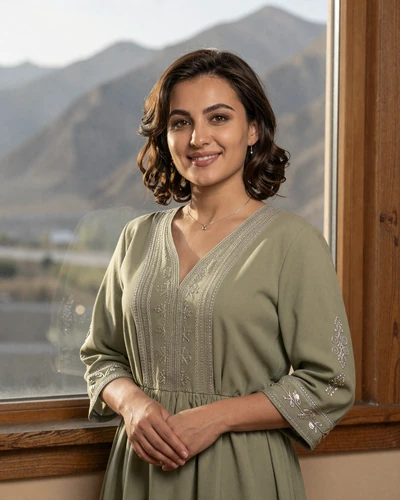 ✓
✓
Gulnora Safarova
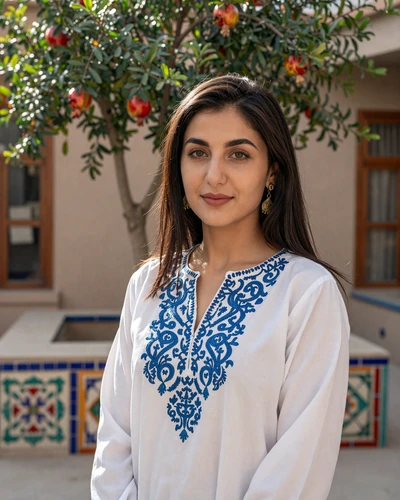 ✓
✓
Zarina Mirzoeva
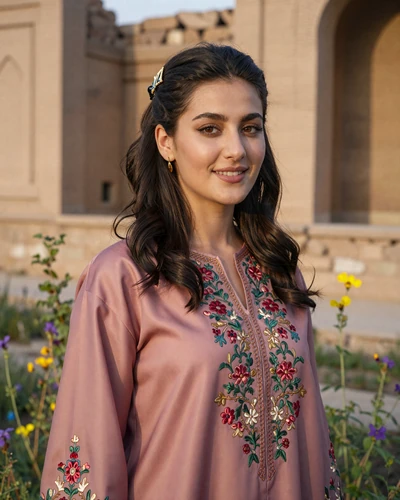 ✓
✓
Sitora Hasanova
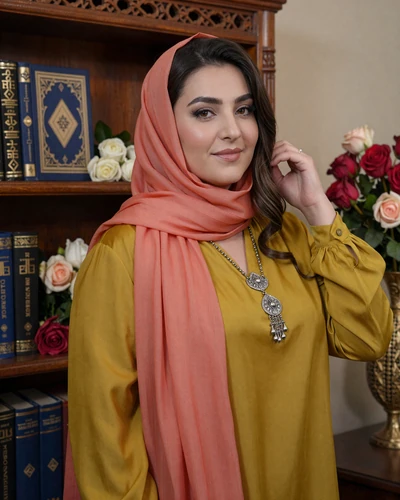 ✓
✓
Parvina Tosheva
Tajik Culture - The Persian Heart of Central Asia
Tajik women dating opens a door to one of the oldest and most culturally rich civilizations in Central Asia. Tajikistan is the only Persian-speaking nation in the region, and its people carry a heritage that stretches back through the empires of Samanid Bukhara, the poetry of Rumi and Hafez, and the legendary Silk Road trade routes that once connected China to the Mediterranean. For American men seeking a partner whose identity is rooted in depth, beauty, and tradition, Tajik women offer something extraordinary.
The Persian influence on Tajik identity cannot be overstated. Tajiki - the national language - is a dialect of Farsi, the same language spoken in Iran and Afghanistan. This linguistic heritage connects Tajik women to a literary tradition spanning over a thousand years, where love, devotion, family honor, and spiritual beauty are central themes. When a Tajik woman speaks about love, she draws from a cultural vocabulary shaped by the greatest romantic poets in human history. Her emotional expression carries a poetic richness that American men consistently find captivating and deeply moving.
Tajikistan's geography - dominated by the towering Pamir and Fann mountain ranges, with peaks exceeding 7,000 meters - has shaped a people known for resilience, resourcefulness, and an intimate relationship with nature. Mountain communities developed self-sufficient lifestyles where cooperation, loyalty, and mutual support were survival necessities. These qualities remain embedded in Tajik women's character today: a quiet toughness beneath graceful femininity, a determination that never wavers even through life's hardest seasons.
The country's position at the crossroads of Central Asian trade routes brought diverse influences - Zoroastrian fire worship traditions, Buddhist art from Gandhara, Islamic scholarship from Baghdad, and Mongol administrative systems. This cultural layering means Tajik women are inherently multicultural, comfortable navigating complexity, and deeply respectful of differences between peoples. If you have explored connections with Afghan women, you will recognize the shared Persian heritage and Islamic values, though Tajik culture carries a distinctly Central Asian character shaped by Soviet-era modernization and mountain traditions.
- Persian literary heritage spanning over a thousand years of poetry and philosophy
- Silk Road legacy blending diverse cultural influences into a unified identity
- Mountain resilience creating exceptional inner strength and determination
- Deep Islamic faith integrated with Central Asian hospitality traditions
- Tajiki language connecting women to the world's richest romantic literary tradition
- Multicultural awareness from centuries of cross-civilizational exchange
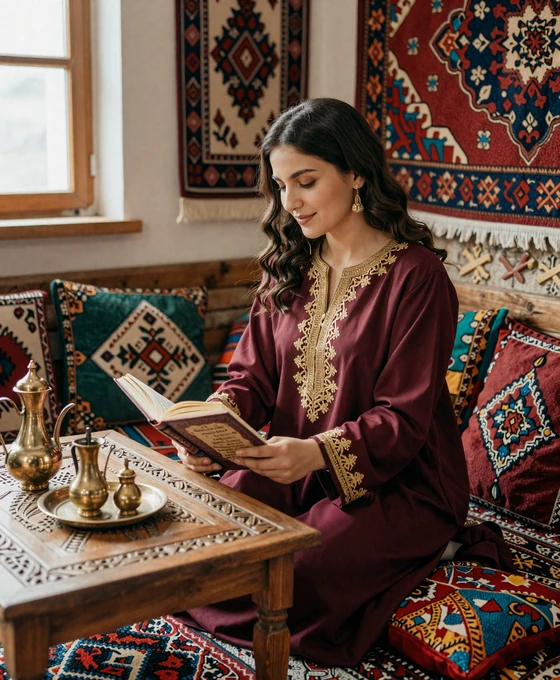
The Grace and Devotion of Tajik Women
Tajik women are widely recognized across Central Asia for their striking beauty - a legacy of Persian, Turkic, and sometimes Pamiri mountain genetics that produces distinctive features: high cheekbones, expressive almond-shaped eyes in shades of brown, hazel, and occasionally green, dark wavy hair, and warm olive-to-golden skin tones. But physical beauty is only the surface. What defines Tajik women as partners is the depth of their character, the sincerity of their devotion, and the quiet strength they bring to every relationship.
Beauty Rooted in Persian Heritage
Tajik women take pride in their appearance without obsessing over it. Traditional beauty standards emphasize natural features - healthy hair, clear skin, bright eyes, and a warm smile - rather than heavy cosmetics or surgical enhancement. Many Tajik women wear modest but elegant clothing that reflects both Islamic modesty norms and Persian aesthetic sensibility: richly embroidered dresses, silk scarves in vibrant colors, and gold jewelry that has been passed through generations. The result is a beauty that feels authentic, approachable, and timelessly feminine.
Emotional Depth and Poetic Sensitivity
Growing up immersed in Persian poetry and storytelling traditions gives Tajik women an emotional depth that American men often describe as transformative. She expresses love not through grand gestures but through quiet, consistent acts of care - preparing your favorite meal, remembering small details you mentioned in conversation, creating warmth in the home that makes every evening feel like a homecoming. Her emotional intelligence is refined by a culture that values subtlety, patience, and the understanding that true love reveals itself gradually rather than explosively.
Education and Modern Aspirations
Despite economic challenges, Tajik women pursue education with remarkable determination. Female literacy has improved steadily, and urban Tajik women increasingly hold university degrees in medicine, education, languages, and business. Many speak Tajiki, Russian, and increasingly English - making cross-cultural communication more accessible than in previous generations. Education is viewed not as a path away from family values but as a way to strengthen the family unit through knowledge, professional capability, and broader worldview. A Tajik woman who pursues education does so to become a better wife, mother, and community member - not to abandon those roles.
Hospitality as a Way of Life
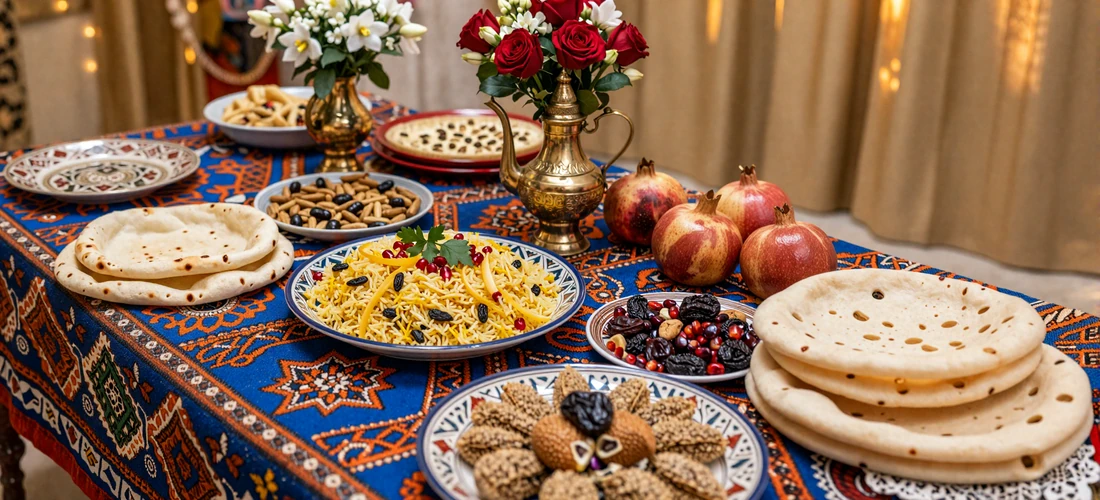
Tajik hospitality (mehmon-navozi) is legendary. Guests are honored with the family's finest food, the most comfortable seating, and undivided attention. The traditional Tajik dastarkhan - a floor-spread cloth laden with bread, dried fruits, nuts, sweets, and tea - appears the moment a visitor arrives. This hospitality extends into how Tajik women care for their partners: with an attentiveness, warmth, and generosity that makes you feel genuinely cherished every single day. Men who experience Tajik hospitality firsthand often say it changed their understanding of what a loving home can feel like.
- Striking Persian beauty with distinctive features passed through generations
- Deep emotional intelligence shaped by centuries of literary tradition
- Exceptional domestic skills including world-class Tajik cuisine
- Growing educational achievement without abandoning family commitments
- Legendary hospitality making every guest feel like honored family
- Absolute loyalty and lifelong devotion once commitment is made
Family Structure and Values in Tajikistan
Family is the bedrock of Tajik society - the institution around which everything else revolves. For American men considering Tajik women dating, understanding the Tajik family system is not optional background information; it is the most essential preparation you can undertake. When you enter a relationship with a Tajik woman, you enter a family ecosystem where your role, behavior, and intentions are evaluated by an extended network of relatives whose approval determines the relationship's viability.
The Extended Family Network
Tajik families operate as extended units rather than nuclear ones. Three generations living under one roof - or in adjacent homes within the same compound - is the cultural norm rather than the exception. Grandparents, parents, married sons and their wives, and grandchildren form a single economic and social unit. Resources are pooled, responsibilities are shared, and major decisions - especially regarding marriage - are made collectively. The eldest male typically holds formal authority, while the eldest female exercises powerful influence over domestic decisions, child-rearing practices, and the emotional dynamics of the household.
Respect for Elders (Hurmat)
Reverence for elders is perhaps the single most important social value in Tajik culture. Younger family members stand when elders enter a room, serve them food first, speak to them with formal language, and seek their blessing before major life decisions. For a Western man, demonstrating genuine respect for her parents and grandparents - through attentive listening, deference, and thoughtful gifts - communicates more about your character than any words could express. Tajik families evaluate a potential son-in-law primarily through his treatment of elders.
Community Bonds: The Mahalla System
Tajik neighborhoods are organized around mahallas - community units that function as extended social families. Neighbors participate in each other's celebrations, support each other during hardship, and hold collective moral authority over community standards. A woman's reputation within her mahalla directly impacts her family's standing, which means her relationship choices are observed and evaluated by a broader network. This community accountability creates a layer of social responsibility that many American men find initially unfamiliar but ultimately reassuring - it means your partner comes from a world where mutual obligation and collective support are daily realities rather than abstract ideals.
The extended family and community networks of Tajikistan share structural similarities with family systems across Central Asia. Men exploring connections with Afghan women or Uzbek women will recognize the same emphasis on collectivism, elder authority, and community reputation management. Understanding these regional patterns deepens your ability to navigate Tajik family dynamics with genuine cultural fluency.
| Family Role | Traditional Responsibility | What This Means for You |
|---|---|---|
| Father / Patriarch | Final authority on marriage approval, financial matters, external family relations | Earning his trust through consistent, respectful interaction is your highest priority |
| Mother / Matriarch | Domestic authority, emotional pillar, shapes household culture and children's character | Her endorsement carries weight that often exceeds the father's formal authority |
| Eldest Son | Inherits family leadership, manages household finances, supports parents in old age | Building rapport with brothers shows your commitment to the family network |
| Tajik Woman (Daughter) | Family honor guardian, domestic contributor, future matriarch of her own household | She balances family expectations with personal desires - respect both dimensions |
| Grandparents | Wisdom keepers, moral authority, spiritual guidance for the entire family | Their blessing can accelerate family acceptance dramatically |
| Mahalla Community | Social accountability, collective celebrations, mutual support during hardship | Your relationship is observed by a broader network - conduct yourself accordingly |
Dating Etiquette for Western Men in Tajik Culture
Tajik women dating requires a thoughtful approach that respects conservative social norms while building genuine emotional connection. Tajikistan is a Muslim-majority country where traditional values govern courtship, and the line between acceptable and inappropriate behavior is drawn differently than in American dating culture. The following guidelines will help you navigate these dynamics with confidence and integrity.
-
Express Your Intentions Early and Clearly
Tajik culture has no framework for casual dating. When you approach a Tajik woman or her family, they will assume your intentions are marriage-oriented. Be upfront about your goals from the very first interaction. Vague statements like "let's see where this goes" create confusion and suspicion. Instead, communicate clearly: you are looking for a serious, committed relationship that leads to marriage. This directness is respected and expected.
-
Engage Her Family Before Pursuing Private Communication
In conservative Tajik families, a man's first meaningful interaction should be with the woman's father or elder male relative, not with the woman herself. This mirrors the khostgori (proposal visit) tradition. While diaspora families and more modern urban families may allow some initial direct communication, establishing family awareness early prevents misunderstandings and demonstrates the seriousness of your character. Never attempt to pursue a hidden relationship - it endangers her reputation and destroys family trust.
-
Practice Absolute Patience With the Timeline
Tajik courtship progresses at the family's pace, not yours. Weeks or months may pass between initial contact and formal engagement discussions. During this period, the family is observing your consistency, reliability, and emotional stability. Every interaction - no matter how brief - is being evaluated. Show up when you say you will, communicate regularly without being pushy, and demonstrate that your interest does not waver with time.
-
Avoid Physical Contact and Public Displays of Affection
Physical contact between unmarried men and women is considered inappropriate in Tajik culture. Do not attempt to hold her hand, hug her, or kiss her before marriage - even in private settings where family may not be present. Public displays of affection are deeply taboo. Your respect for physical boundaries communicates volumes about your character and cultural awareness. After marriage, physical affection is expressed within the privacy of your shared home.
-
Learn Basic Tajiki and Persian Greetings
Speaking even a few words of Tajiki demonstrates respect that resonates powerfully with Tajik families. Essential phrases include Salom (hello), Rahmat (thank you), Khudo hafiz (goodbye), and Ilohi (God willing). Learning to compliment her cooking - Bisyor mazador (very delicious) - earns genuine warmth from the entire family. Your effort matters far more than your fluency; it shows you value their language as a bridge rather than a barrier.
-
Bring Thoughtful Gifts When Visiting Her Family
Arriving empty-handed to a Tajik home is considered disrespectful. Appropriate gifts include high-quality sweets, dried fruits, nuts, or imported chocolates. Flowers are acceptable for the mother. Avoid alcohol, as most Tajik families observe Islamic prohibitions. Gifts should be presented modestly - not as grand gestures but as tokens of respect and gratitude for their hospitality. The quality and thoughtfulness of your gift reflects how seriously you take the relationship.
-
Dress Conservatively and Behave With Dignity
When meeting her family, wear neat, modest clothing - a clean collared shirt and trousers are appropriate. Remove your shoes when entering their home. Sit where directed, accept all food and tea offered (refusing hospitality is offensive), and address elders first in conversation. Your appearance and demeanor are interpreted as reflections of your upbringing and character. First impressions in Tajik culture carry lasting weight.
Tajik Marriage Customs and Bride Price Traditions
Marriage in Tajikistan is considered a sacred duty - a fulfillment of religious obligation, family expectation, and personal maturity. Every relationship is understood to lead toward marriage, and the institution carries immense social, economic, and spiritual significance. Understanding Tajik marriage customs prepares you for a process that is formal, family-driven, and deeply meaningful.
The Marriage Negotiation Process
Tajik marriage follows a structured sequence of family negotiations, each stage carrying distinct social and ceremonial importance. This process ensures compatibility between families, establishes financial arrangements, and gradually builds the trust necessary for two families to merge their lives.
| Custom | Description | Modern Practice |
|---|---|---|
| Khostgori (Proposal Visit) | The groom's family formally visits the bride's family to declare intentions and offer sweets | Still universally practiced; may include video calls for diaspora families |
| Fotiha (Blessing Ceremony) | An imam or elder offers prayers over the match; families exchange bread as a binding symbol | Remains the spiritual foundation of engagement in both urban and rural areas |
| Qalin / Mahr (Bride Price) | Financial gift from groom's family to bride's family; also includes mahr as the bride's personal property | Amounts vary widely: $3,000-$15,000+ depending on family status and region |
| Jahoziya (Dowry Preparation) | Bride's family prepares household items - carpets, bedding, kitchenware, clothing - for the new home | Still expected; modern families may add appliances and furniture to the traditional dowry |
| Nikoh (Islamic Marriage Contract) | Religious ceremony officiated by an imam; mahr amount specified; vows witnessed by families | Legally required alongside civil registration at the local ZAGS office |
| Tui (Wedding Celebration) | Large feast with 200-500+ guests; music, dancing, elaborate food, multi-day festivities | Government regulations now limit wedding size to 150-200 guests to reduce financial burden |
| Kellin Salom (Bride's Welcome) | Bride formally enters groom's family home; bows to each family member; begins new role as kellin (daughter-in-law) | Practiced widely; the first months as kellin involve demonstrating domestic competence |
Understanding Qalin: The Bride Price
Qalin is the financial payment from the groom's family to the bride's family, covering wedding expenses and compensating the family for raising their daughter. This is distinct from mahr, which is the bride's personal Islamic right. Qalin amounts vary dramatically based on the bride's education, beauty, family status, and regional norms. In urban Dushanbe, qalin can reach $10,000-$15,000 or more, while rural areas may settle for $3,000-$5,000. The negotiation is conducted between male family representatives and should be approached with respect, generosity, and an understanding that this is a cultural tradition - not a transaction.
Wedding Traditions
Tajik weddings are magnificent celebrations of abundance, joy, and community. The plov (pilaf) - made with rice, lamb, carrots, and spices - is the ceremonial centerpiece of the wedding feast, often prepared in enormous kazan (cauldrons) by teams of male cooks. Traditional music featuring doira (frame drum) and rubab (lute) accompanies hours of dancing. The bride wears elaborate dresses in multiple changes throughout the celebration, with each outfit representing a different stage of the ceremony. Green, white, and gold are traditional bridal colors symbolizing prosperity, purity, and spiritual blessing.
The bride price and formal marriage negotiation traditions of Tajikistan mirror similar customs found among Kyrgyz women, where kalym (bride price) also forms a central element of marriage proceedings. Central Asian cultures share this emphasis on formalized family agreements as the foundation for stable, community-supported marriages.
Building a Lasting Relationship With a Tajik Woman
Success in Tajik women dating depends on understanding that you are building not just a romantic partnership but a bridge between two cultures, two families, and two worldviews. The men who thrive in these relationships are those who approach the journey with humility, cultural curiosity, and an unwavering commitment to earning trust through actions rather than words.
Demonstrate Stability and Seriousness
Tajik families evaluate potential sons-in-law through practical criteria: stable employment, responsible financial habits, clear plans for supporting a family, and emotional maturity. Be prepared for direct questions about your income, career, housing situation, and future plans. Answer honestly and confidently - exaggeration will be detected and will undermine trust immediately. Tajik families respect honest modesty far more than flashy displays of wealth. A man who lives within his means and plans carefully for the future earns deeper respect than one who spends impulsively.
Embrace Her Culture as an Asset
The most successful cross-cultural relationships are those where the Western partner views his partner's heritage as an enrichment rather than a complication. Learn to appreciate Tajik cuisine - try oshi palav (pilaf), qurutob (yogurt bread dish), sambusa (filled pastries), and the magnificent Tajik teas served with nabat (crystallized sugar). Ask about Navruz celebrations, understand the significance of Eid observances, and express genuine interest in the Persian poetry and music that form the emotional soundtrack of Tajik life. Your cultural curiosity communicates respect at the deepest level.
Navigate Religion With Openness
Islam structures daily life for most Tajik women - prayer times, Ramadan fasting, halal dietary practices, and modest dress codes. While Tajikistan's Soviet heritage created a more secular public culture than some neighboring countries, personal religious observance remains important for many women. You do not necessarily need to convert immediately, though many Tajik families will expect conversion before marriage. Approach Islam with genuine curiosity: attend mosque with her family during Eid, fast alongside her during Ramadan, and learn the basic principles of faith that give her life meaning and structure.
Plan for the Practical Realities
International relationships require practical planning. Consider the K-1 fiancée visa process for bringing your Tajik partner to the United States, the timeline involved (typically 12-18 months), and the documentation required. Budget for travel to Tajikistan - flights from the US typically cost $800-$1,500, and comfortable accommodations in Dushanbe run $40-$80 per night. Factor in bride price negotiations, wedding costs, and the ongoing financial support that Tajik families may expect as you build your life together. Planning proactively demonstrates the responsibility and foresight that Tajik families deeply value.
The relationship-building principles for Tajik women share common ground with courtship approaches throughout the region. Men interested in Turkmen women dating will find similar emphasis on family approval, cultural respect, and patient trust-building - though each culture carries its own distinctive traditions and expectations that deserve individualized attention.
Long-Distance Communication Strategies
Maintaining connection across time zones requires structure and consistency. Tajikistan is 9-12 hours ahead of US time zones, making evening calls from the East Coast align with her morning schedule. Use video chat regularly - seeing each other's faces builds intimacy that text messages alone cannot achieve. Send voice messages in Tajiki to show your language learning progress. Share photos of your daily life to build familiarity and trust. And remember: her family may monitor early communications. This is not surveillance - it is a protective expression of love for their daughter.
- Consistency wins trust. Regular, reliable communication over months demonstrates commitment more powerfully than dramatic gestures.
- Learn her cuisine. Cooking Tajik dishes for her during video calls creates shared moments that bridge physical distance.
- Study Persian poetry together. Reading Rumi or Hafez creates intellectual and emotional connection rooted in her cultural heritage.
- Plan your visit carefully. Coordinate travel with her family's schedule, bring appropriate gifts, and let her family organize your itinerary.
- Involve your own family. Introduce her to your parents via video call - Tajik families expect reciprocal family engagement from your side.
- Be financially transparent. Share your financial planning openly; Tajik families respect honesty about resources over displays of wealth.
Key Takeaways: Dating Tajik Women Successfully
Tajik women dating offers American men the opportunity to connect with women whose beauty, devotion, and cultural depth are shaped by one of Central Asia's most ancient and refined civilizations. Success requires cultural humility, patient trust-building, and genuine respect for a family system that has sustained communities through centuries of change. Here is what matters most:
- Persian heritage defines her identity. Her language, emotional expression, and worldview are shaped by a literary tradition that celebrates love, beauty, and spiritual depth. Honor this heritage by learning about it.
- Family approval is the foundation. No relationship progresses without the blessing of her father, mother, and extended family network. Invest in earning their trust before pursuing private connection.
- Patience is non-negotiable. Tajik courtship moves at the family's pace. Months of consistent, respectful behavior build the foundation that marriage requires.
- Islam shapes daily life. Her faith is not a cultural accessory but the organizing framework of her world. Approach it with curiosity, respect, and openness to learning.
- Mountain resilience means she is choosing from strength. A Tajik woman is not seeking rescue - she is evaluating whether you meet the standards of character and stability her culture demands.
- Hospitality is her love language. The warmth, generosity, and care she brings to your home will transform your understanding of partnership - reciprocate with equal devotion.
Frequently Asked Questions About Tajik Women Dating
Online dating is growing in popularity among urban Tajik women, particularly in Dushanbe and Khujand. Social media platforms and messaging apps are commonly used for initial communication. The Tajik diaspora in Russia, the United States, and Europe also uses online platforms actively. Our platform connects you with verified Tajik women seeking serious relationships, with translation tools to bridge language differences.
Most traditional Tajik families expect the groom to be Muslim or willing to convert before the Nikah ceremony. Islamic law requires that a Muslim woman marry a Muslim man. Some progressive families, particularly in the diaspora or Pamir region, may be more flexible. Approaching conversion as a sincere spiritual journey rather than a formality demonstrates the authenticity Tajik families respect most.
Qalin (bride price) is a payment from the groom family to the bride family covering wedding expenses and family recognition. Amounts range from $3,000 to $15,000 or more depending on the bride education, family status, and region. This is separate from mahr, which is the bride personal Islamic right. Both are negotiated openly between families during the engagement process.
Tajiki (a dialect of Persian/Farsi) is the primary language. Most Tajik women also speak Russian fluently due to Soviet-era education. English proficiency is growing among younger urban women and diaspora communities. Our platform provides translation support, and learning basic Tajiki phrases like Salom (hello) and Rahmat (thank you) demonstrates respect that families deeply appreciate.
Tajikistan is generally safe for tourists, though infrastructure outside major cities is limited. Dushanbe and Khujand offer comfortable accommodations and are well-connected by air. The Pamir Highway region requires careful planning but offers spectacular natural beauty. Always coordinate travel with her family, register with the US Embassy in Dushanbe, and carry copies of important documents. Let her family arrange local logistics for the safest experience.
The collectivist family system, gender-separated social gatherings, the centrality of Islamic observance in daily routines, the formal marriage negotiation process, conservative physical boundaries between unmarried partners, and the community accountability of the mahalla system represent the most significant adjustments. Approaching these differences with genuine respect rather than resistance is the key to success.
Tajik courtship typically spans 6 to 15 months from initial contact through wedding celebrations. The process includes family introduction, investigation period, formal engagement (fotiha), bride price negotiation, and multi-day wedding festivities. Diaspora families may move somewhat faster, but the fundamental stages remain consistent. Adding the K-1 visa process extends the total timeline to approximately 18 to 30 months.
Bring high-quality sweets, imported chocolates, dried fruits, or nuts as a minimum. Flowers for the mother are a warm touch. Avoid alcohol entirely. Dress neatly in modest clothing, remove shoes at the door, and accept all food and tea offered graciously. Arriving empty-handed or refusing hospitality is considered deeply disrespectful in Tajik culture.