
Afghan Women Seeking Genuine Partners
 ✓
✓
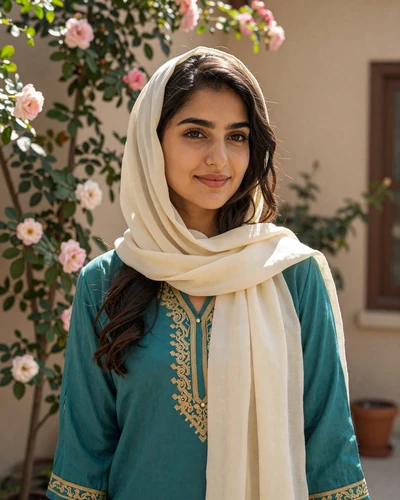
Fatima Ahmadi
 ✓
✓
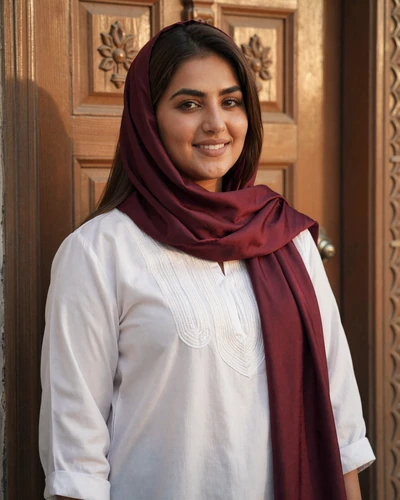
Mariam Noori
 ✓
✓
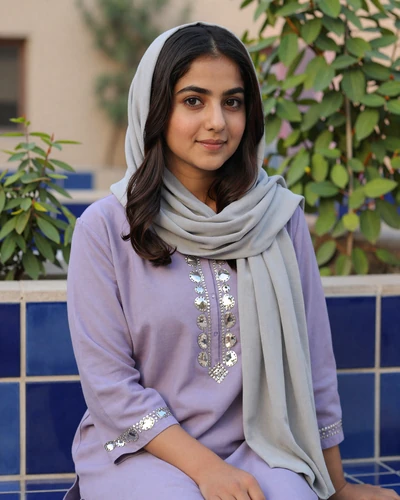
Zahra Karimi
 ✓
✓
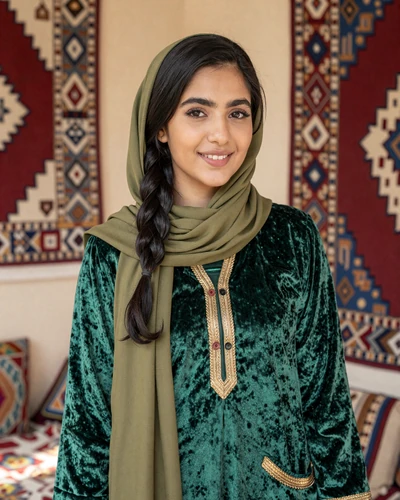
Laila Rahimi
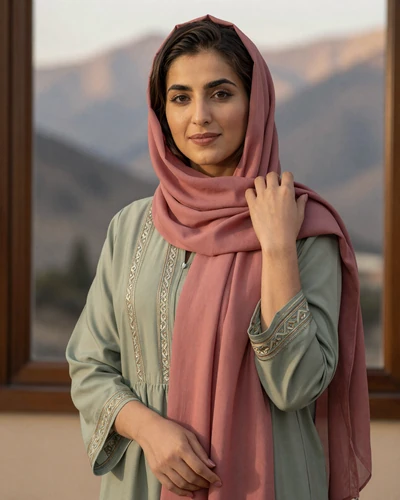 ✓
✓
Nasrin Stanikzai
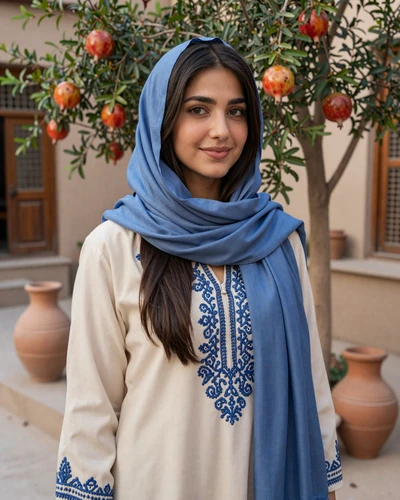 ✓
✓
Sahar Mohammadi
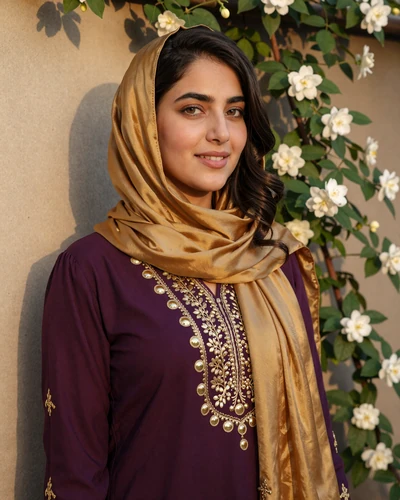 ✓
✓
Parisa Ghani
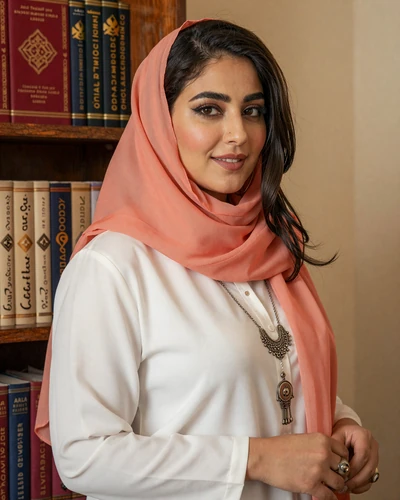 ✓
✓
Lina Wardak
Understanding Afghan Culture & Family Values
Afghan women dating requires a level of cultural understanding that goes beyond what most cross-cultural relationships demand. Afghanistan is one of the world's most family-centered societies, where every individual exists not as an autonomous actor but as a representative of a larger collective - the family, the clan, and the tribal community. For American men serious about building a genuine connection with an Afghan woman, understanding this collectivist framework is the single most important step you can take.
In Afghan culture, family interests consistently supersede personal desires. Loyalty to family generally outweighs obligations to tribe or ethnicity, and this principle governs everything from career decisions to marriage partners. An Afghan woman does not simply "date" someone - she evaluates whether a potential partner strengthens her family's standing, honors its traditions, and demonstrates the character qualities her parents trust. This is not a limitation on her freedom; it is the cultural ecosystem within which she has been raised to find fulfillment and security.
The concept of namus (honor) is inseparable from Afghan family life. Women are considered guardians of family honor, and a woman's conduct - her modesty, her associations, her choices - directly reflects on her father, brothers, and extended family. This is why Afghan women approach relationships with extraordinary caution and seriousness. When she opens communication with you, she is taking a risk that few outsiders fully appreciate. Your response must match her courage with consistent respect, patience, and genuine sincerity.
Afghan hospitality (melmastia) is legendary throughout Central and South Asia. Once a family accepts you, their generosity and warmth are boundless. Guests are treated with honor that borders on reverence - the best food, the best seat, and undivided attention. This hospitality tradition also shapes how Afghan women care for their partners: with a devotion and attentiveness that American men frequently describe as transformative.
If you have explored dating Pakistani women, you will recognize the shared South Asian and Islamic emphasis on family closeness and religious observance. However, Afghan culture carries its own distinct tribal heritage, Persian literary influence, and resilience forged through decades of conflict that make Afghan women uniquely strong, dignified, and deeply devoted to those they love.
- Family collectivism governs all relationship decisions
- Honor (namus) is the foundation of social reputation
- Legendary hospitality extends to accepted partners and guests
- Rich Persian literary and poetic traditions shape emotional expression
- Extraordinary inner strength built through resilience and adversity
- Deep devotion, loyalty, and lifelong commitment to family bonds
Afghan Family Structure & the Household System
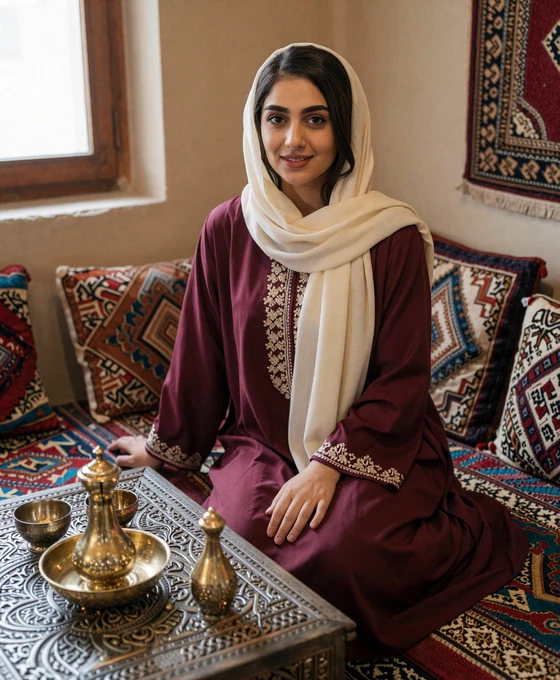
The Afghan family operates as a tightly organized unit where every member has a clearly defined role. Understanding these roles is essential because when you enter a relationship with an Afghan woman, you are entering this system - not replacing it. The most successful cross-cultural relationships with Afghan women are those where the Western partner learns to complement the family structure rather than competing against it.
The Patriarchal Framework
Afghan households follow a patriarchal structure where the eldest male - typically the father or grandfather - holds decision-making authority over major family matters including finances, education, marriage, and external relations. This does not mean women are powerless. Within the domestic sphere, Afghan women exercise considerable influence over household management, child-rearing, meal preparation, guest reception, and the day-to-day emotional dynamics that hold the family together. Many Western observers underestimate the quiet but substantial authority Afghan women hold within their homes.
The Male Guardian Role (Mahram)
In conservative Afghan families, women are expected to be accompanied by a male family member - a father, brother, husband, or uncle - when venturing outside the home. This mahram system is rooted in both Islamic tradition and Pashtun tribal custom. For Western men, this means that early-stage interactions will likely be monitored or facilitated through family channels rather than private one-on-one conversations. Rather than viewing this as an obstacle, understand it as a protective framework that the family maintains out of deep love for their daughter.
Gender Separation in Social Life
Afghan social gatherings typically separate men and women into different spaces. At family events, weddings, and community celebrations, women gather in one area while men occupy another. This separation reflects cultural norms around modesty and propriety rather than disrespect for women. When you eventually attend family gatherings, you will interact primarily with the men of the family while your partner connects with the women - each group forming their own impressions of the match.
| Family Role | Traditional Responsibility | What This Means for You |
|---|---|---|
| Father / Patriarch | Final decision-maker on marriage, finances, and external matters | His approval is absolutely essential - invest in earning his trust |
| Mother / Matriarch | Household authority, emotional anchor, shapes children's values | Her opinion carries enormous weight - respect her role openly |
| Elder Brother | Protector of sisters, secondary authority figure after father | Building rapport with brothers demonstrates family commitment |
| Afghan Woman (Daughter) | Guardian of family honor, domestic responsibilities, modest conduct | She navigates family expectations while pursuing her own desires |
| Extended Family / Clan | Collective reputation, resource sharing, mutual social obligations | Your relationship impacts the broader family network's standing |
The collectivist family system of Afghanistan shares similarities with the community-oriented structures found across Central Asia. If you are also exploring connections with women from neighboring countries, our guides on Tajik women dating and Uzbek women dating detail how related cultural frameworks operate in those societies. Understanding these regional patterns deepens your ability to navigate Afghan family dynamics with cultural fluency.
Marriage Customs & Dating Dynamics in Afghanistan
Marriage in Afghanistan is considered an essential component of life - a social, religious, and familial obligation that defines adulthood and community standing. All relationships are presumed to lead to marriage. There is no cultural framework for casual dating as Americans understand it. When an Afghan woman engages with a potential partner, the trajectory is marriage, and every interaction is evaluated against that ultimate goal.
How Afghan Marriages Are Arranged
Parents traditionally arrange marriages to ensure family compatibility, social standing alignment, and economic stability. The couple's personal attraction is not always the primary consideration - though modern educated Afghan families, particularly in urban centers and diaspora communities, increasingly factor in the woman's preferences. Relationships are commonly endogamous, meaning marriages within the same tribe, ethnic group, or even extended family (parallel and cross-cousin marriages) are preferred. However, families may also arrange marriages outside their kinship network to diversify assets and forge new alliances.
The Marriage Negotiation Process
Afghan marriage follows a structured multi-stage negotiation between families that serves both practical and ceremonial purposes. Understanding each stage helps you know what to expect and how to present yourself appropriately.
| Stage | Process | What Happens |
|---|---|---|
| 1. Khastgari (Proposal Visit) | The man's family formally visits the woman's family | Intentions declared, first impressions formed, tea and sweets shared |
| 2. Family Investigation | Both families discreetly research the other's reputation | Community members consulted about character, finances, family standing |
| 3. Bale Bale (Agreement) | Families reach verbal agreement on the match | Conditions discussed: mahr (bride gift), wedding costs, living arrangements |
| 4. Shirini Khori (Sweets Ceremony) | Formal engagement celebration | Sweets exchanged, engagement rings given, families celebrate publicly |
| 5. Nikah (Islamic Marriage Contract) | Religious ceremony officiated by a mullah | Marriage contract signed, mahr specified, vows witnessed by families |
| 6. Arusi (Wedding Celebration) | Multi-day wedding festivities | Feasting, music, dancing (gender-segregated), henna night, bride's procession |
Mahr: The Islamic Bride Gift
Mahr is a mandatory financial gift from the groom to the bride, specified in the marriage contract. This is the bride's personal property - not a payment to her family. Mahr can be gold jewelry, cash, property, or other assets of agreed value. It represents a commitment to the bride's financial security and is a legally enforceable right under Islamic law. The amount varies dramatically by family expectations, regional norms, and socioeconomic status. Discussing mahr openly with her family during negotiations is expected and appropriate.
Wedding Traditions
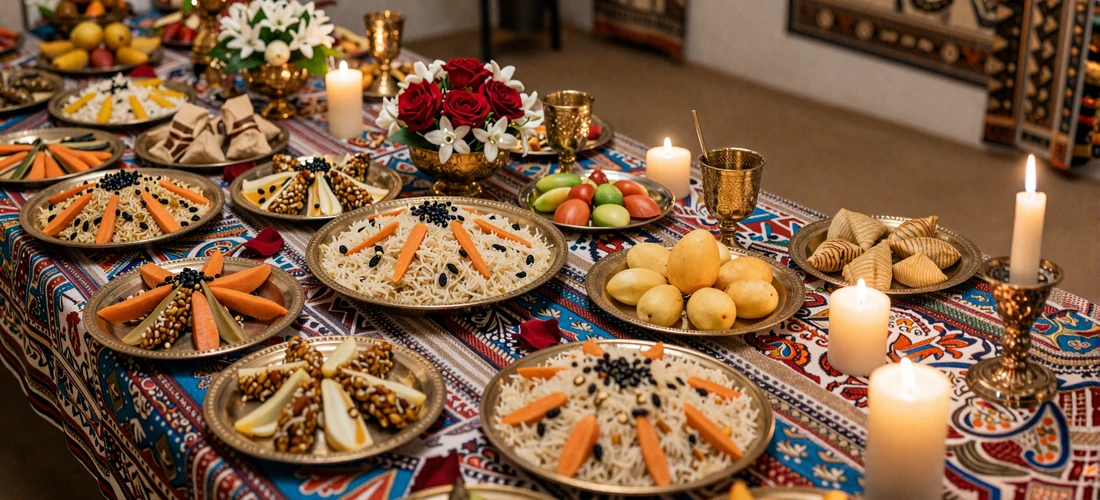
Afghan weddings are elaborate multi-day celebrations that can involve hundreds of guests. The Henna Night (Shab-e-Henna) precedes the main ceremony, where the bride's hands and feet are decorated with intricate henna designs by female relatives. Men and women celebrate in separate areas with their own music, dancing, and feasting. The bride wears a stunning green dress for the Nikah ceremony - green symbolizes Islam, prosperity, and paradise. Wedding food typically includes qabili palau (the national dish of lamb and rice), mantu (dumplings), and abundant sweets.
Diaspora Afghan Women and Modern Dating
For American men, the most accessible path to dating Afghan women is through the Afghan diaspora - communities in the United States, Canada, Germany, and the United Kingdom where Afghan families have established new lives while maintaining cultural roots. Diaspora Afghan women often navigate a dual identity: deeply connected to their Afghan heritage while fluent in Western social norms. They may be more open to cross-cultural relationships than women living in Afghanistan, though family approval remains a central requirement. Cities with significant Afghan-American populations include Fremont, California; northern Virginia; and Queens, New York.
The importance of family negotiation in Afghan marriages mirrors similar traditions found among Turkmen women, where tribal heritage and formal family processes also govern marital arrangements. Central Asian cultures share this emphasis on collective family decision-making as a safeguard for relationship stability.
Cultural Sensitivity Guide for Western Men
Dating Afghan women demands a higher degree of cultural sensitivity than most cross-cultural relationships. Afghanistan's conservative social norms, the weight of family honor, and the deeply personal nature of religious observance mean that missteps carry real consequences - not just for your relationship, but for your partner's standing within her community. The following guide addresses the most critical areas where Western men must demonstrate awareness, patience, and genuine respect.
-
Respect Privacy Above All Else
Afghan families guard their private lives intensely. Never share details about your relationship on social media without explicit permission. Do not post photos of her, discuss her family circumstances publicly, or mention her name in forums. Privacy in Afghan culture is not about secrecy - it is about protecting the family's dignity and social standing. What happens between your families stays within that circle until both parties agree otherwise.
-
Understand the Honor System Before You Act
A woman's conduct reflects directly on her entire family's reputation. Conservative families view any public interaction between an unmarried man and woman as potentially compromising. This means early communication should ideally flow through family-approved channels. Do not pressure her for private phone calls, video chats, or meetings until her family is aware of your intentions. Rushing physical or emotional intimacy before family approval risks damaging her standing irreparably.
-
Approach Islam With Genuine Curiosity, Not Judgment
Islam is not simply a religion for Afghan women - it is the organizing framework of daily life. She prays five times daily, fasts during Ramadan, observes halal dietary laws, and celebrates Eid with her family. Your willingness to learn about Islamic practices, attend Eid celebrations, and respect prayer times communicates volumes about your character. You do not need to convert immediately (or at all, depending on the family), but dismissing or questioning her faith is an absolute dealbreaker.
-
Build Trust Through the Family, Not Around It
Western dating culture centers individual connection - you get to know her, then introduce her to your family. Afghan culture reverses this sequence. Your first meaningful relationship is with her family, particularly her father and brothers. Only after they trust your character, intentions, and stability will private communication with the woman herself become appropriate. This feels counterintuitive to American men, but it is the only path that works within Afghan cultural norms.
-
Demonstrate Financial Stability Without Ostentation
Afghan families assess a potential son-in-law's ability to provide for their daughter. This does not mean flashing wealth - it means demonstrating steady employment, responsible financial habits, and a clear plan for supporting a family. Be prepared for direct questions about your income, housing, and career trajectory. Answer honestly and confidently. Boasting or exaggerating will be detected and will undermine trust instantly.
-
Never Politicize Her Country's Suffering
Afghanistan has endured decades of conflict, foreign intervention, and political upheaval. Your partner and her family carry personal stories of loss, displacement, and survival. Never make casual comments about war, terrorism, or geopolitics. If she shares her family's experiences, listen with compassion and without offering unsolicited political analysis. Her story is not a debate topic - it is her lived reality, and honoring it with silence and empathy is the appropriate response.
-
Dress Modestly and Behave Conservatively in Family Settings
When meeting her family, dress neatly and conservatively. Avoid alcohol, maintain respectful body language, and address elders with deference. Remove your shoes when entering an Afghan home. Accept all food and tea offered graciously - refusing hospitality is deeply offensive. Sit where you are directed, speak when addressed, and let the family set the pace of conversation. These small acts of cultural compliance speak louder than any declaration of love.
-
Patience Is Not Just a Virtue - It Is the Only Strategy
Afghan relationships move at the pace of family trust, not individual desire. Months may pass between initial contact and a formal family introduction. During this period, your consistency, reliability, and respect for cultural boundaries are being carefully observed. Any pressure to accelerate the timeline will be interpreted as disrespect for her family's authority and will likely end the relationship. The men who succeed in marrying Afghan women are those who demonstrate that they can wait - and that waiting does not diminish their commitment.
The cultural sensitivity principles outlined here apply broadly across Central Asian cultures with Islamic heritage. Men exploring connections with Tajik women or Uzbek women will find similar emphasis on family honor, religious observance, and respect for established social structures - though the degree of conservatism varies significantly by country and individual family.
Relationship Expectations & What Afghan Women Value
Afghan women entering cross-cultural relationships carry expectations shaped by centuries of cultural tradition, Islamic values, and the practical realities of life in a society that has endured extraordinary hardship. Understanding what she values - and what she absolutely requires - prevents misalignment and builds the foundation for a relationship that works for both partners.
| What She Values | What This Looks Like in Practice | Common Western Mistakes |
|---|---|---|
| Family Respect | You honor her parents, consult her family on decisions, and integrate into the family system | Trying to isolate her from her family or dismissing their involvement as "controlling" |
| Religious Observance | You support her prayer schedule, fast with her during Ramadan, and respect halal practices | Offering alcohol, scheduling activities during prayer times, or mocking religious customs |
| Financial Security | Stable income, responsible spending, clear plan for family support | Avoiding financial discussions or being evasive about career stability |
| Modesty & Privacy | You keep relationship details private, respect her boundaries, and never pressure physical intimacy | Posting about her on social media, pressuring for revealing photos, or public displays of affection |
| Protection & Strength | You demonstrate that you can protect, provide for, and emotionally support her through challenges | Displaying indecisiveness, emotional instability, or inability to handle conflict maturely |
| Cultural Respect | You learn about Afghan history, try Afghan food, value her heritage as an asset rather than a barrier | Making patronizing comments about her country or treating her culture as exotic entertainment |
Afghan Women's Strengths as Partners
Afghan women bring extraordinary qualities to a marriage. Their resilience - forged through personal and national hardship - means they approach challenges with determination rather than defeat. Their loyalty is absolute; once an Afghan woman commits, she commits for life. Her domestic skills are exceptional, with Afghan cuisine ranking among the most flavorful and elaborate in all of Central and South Asia. And her devotion to children and family creates the kind of warm, stable home environment that many American men have struggled to find domestically.
The warmth and devotion Afghan women bring to relationships is shared across the broader region. Pakistani women and Turkmen women also prioritize family loyalty and domestic harmony, drawing from related cultural and religious traditions that emphasize the home as the center of a fulfilling life.
Communication Across Cultures
Afghan women communicate indirectly, especially in early interactions. She may express discomfort through silence rather than confrontation, convey interest through subtle warmth rather than overt flirtation, and share concerns through family intermediaries rather than direct conversation. Learning to read these cues - and responding with patience rather than frustration - demonstrates the emotional intelligence that Afghan women deeply respect.
Language considerations vary. Pashto and Dari (Afghan Persian) are the two primary languages. Diaspora Afghan women typically speak English fluently, while women in Afghanistan may have limited English proficiency. Our platform provides translation tools to bridge language gaps, and learning basic Dari greetings - Salaam (hello), Tashakor (thank you), Khuda hafiz (goodbye) - shows respect that resonates deeply with Afghan families.
Key Takeaways: Dating Afghan Women Successfully
Afghan women dating is not for men seeking casual connections or quick results. It is for men who understand that the deepest, most loyal, and most fulfilling relationships require patience, cultural humility, and a willingness to earn trust through consistent action. Here is what matters most:
- Family is everything. Your relationship with an Afghan woman is inseparable from your relationship with her family. Winning their trust is not a hurdle to clear - it is the foundation on which everything else is built.
- Honor and privacy are non-negotiable. Every action you take reflects on her family's reputation. Guard her privacy, respect her modesty, and never share details about your relationship publicly without explicit permission.
- Islam shapes daily life and relationship expectations. Her faith is not a cultural accessory - it is the organizing principle of her world. Approach it with genuine curiosity and deep respect.
- Patience is the defining virtue. Afghan relationships progress at the pace of family trust. Months of consistent, reliable behavior build the foundation that marriage requires. Rushing destroys everything.
- Afghan women are choosing from strength. She is not seeking rescue. She is evaluating whether you meet the standards of character, stability, and respect that her culture demands. Honor that evaluation by being your best self.
- Cultural sensitivity is your greatest asset. Learning about Afghan history, trying Afghan cuisine, respecting gender norms, and dressing modestly in family settings demonstrate the cultural intelligence that Afghan families find compelling.
Afghan Women Dating - Important Questions Answered
Online dating is gaining acceptance among Afghan diaspora women in the United States, Canada, Germany, and the UK. Women living in Afghanistan face significant restrictions on internet access and social interaction, making online dating extremely difficult domestically. Our platform connects you primarily with Afghan women in diaspora communities who maintain strong cultural values while navigating Western social environments. Family awareness of the connection remains essential regardless of where she lives.
For the vast majority of Afghan families, yes. Islamic tradition requires that a Muslim woman marry a Muslim man. Conversion (shahada) is expected before the Nikah ceremony. Some progressive diaspora families may be more flexible, but this is rare. If you are seriously considering marriage with an Afghan woman, approaching conversion as a genuine spiritual journey rather than a bureaucratic requirement demonstrates the sincerity her family needs to see.
Extremely involved. Afghan families participate in every stage of courtship - from approving initial contact to negotiating marriage terms to planning the wedding. Her father and brothers will evaluate your character, finances, and intentions. Her mother will assess your treatment of her daughter. This family involvement is a feature, not a bug. Once accepted, you gain a deeply supportive extended family network that invests in your happiness as a couple.
Gender separation in social settings, the honor-based social system, modesty expectations, indirect communication styles, the centrality of Islam in daily routines, and the collectivist family decision-making model represent the largest cultural adjustments. Accepting these differences with genuine respect rather than trying to change them is the key to success. American individualism and Afghan collectivism can complement each other beautifully when both partners approach the difference with openness.
Travel to Afghanistan carries significant security risks that vary by region and current political conditions. Many couples arrange to meet in a safer third country or connect through diaspora family networks in the United States or Europe. If her family is in Afghanistan and travel is feasible, consult official government travel advisories, hire local security guidance, and let her family arrange all logistics. Never travel independently in Afghanistan without established local support.
Dari (Afghan Persian) and Pashto are the two primary languages of Afghanistan, with Dari dominant in cities like Kabul and Herat, and Pashto prevalent in southern and eastern regions. Diaspora Afghan women typically speak fluent English alongside their native language. Our platform offers translation support for communication. Learning basic Dari or Pashto phrases demonstrates commitment that Afghan families deeply appreciate.
Afghan courtship timelines range from 6 to 18 months or longer, depending on family dynamics, geographic distance, and the speed at which trust develops. The process involves family introduction, investigation, formal engagement, and eventually wedding planning. Diaspora families may move slightly faster, but the fundamental stages remain consistent. Patience throughout this process is the single most important quality you can demonstrate.
Mahr is a mandatory Islamic bride gift paid by the groom to the bride as her personal property. It represents financial security and commitment. The amount varies widely based on family expectations, regional customs, and socioeconomic status - ranging from symbolic amounts to substantial sums. Mahr is negotiated openly between families during the engagement stage. Approach this conversation respectfully and never treat mahr as a transactional burden; it is a sacred commitment to your future wife financial independence.