
Kyrgyz Women Open to International Romance
 ✓
✓
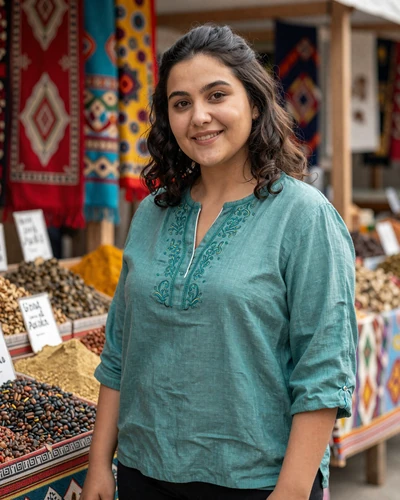
Aida Bektenova
 ✓
✓
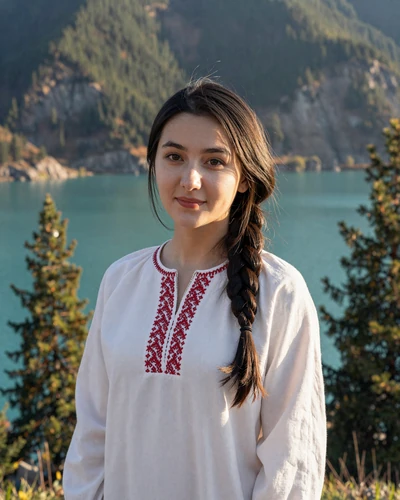
Gulnara Ismailova
 ✓
✓
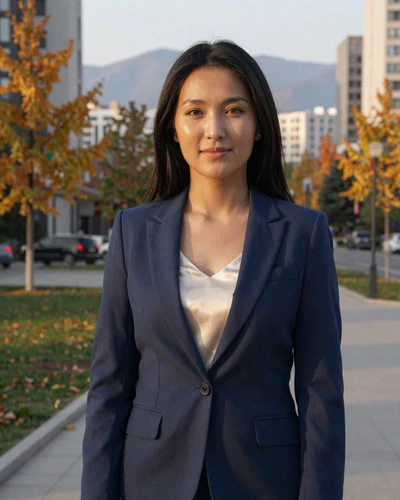
Nazira Turgunbaeva
 ✓
✓
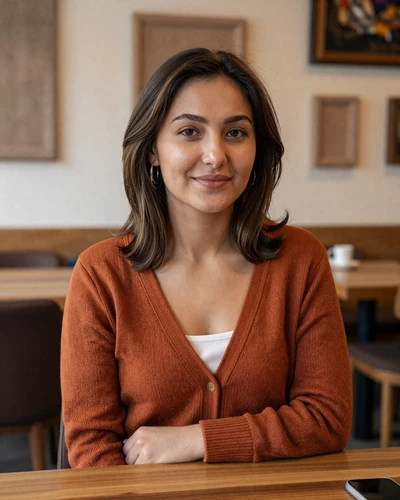
Cholpon Askarova
 ✓
✓
Aigerim Sadykova
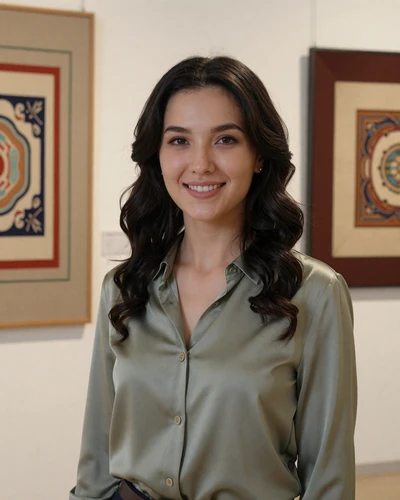 ✓
✓
Bermet Toktogulova
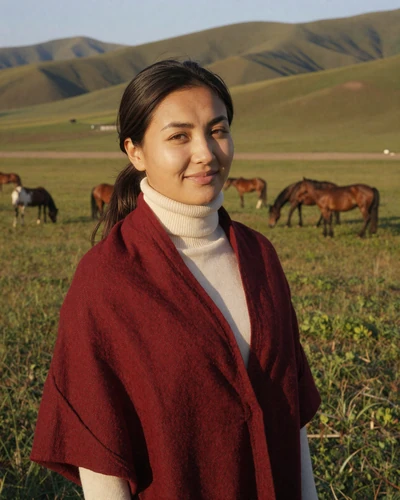 ✓
✓
Dinara Usenova
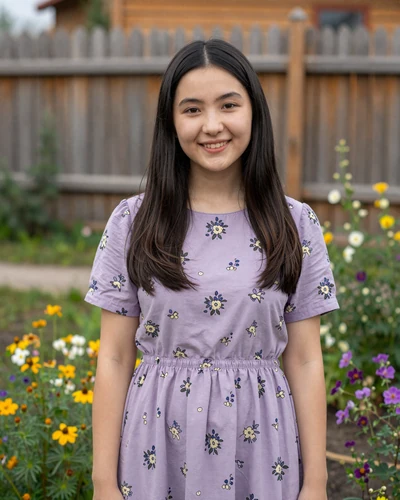 ✓
✓
Zhyldyz Kalmatova
Kyrgyz Culture and the Nomadic Heritage That Shapes Love
Kyrgyz women dating opens a doorway into one of Central Asia's most captivating cultures - a society forged by centuries of nomadic life across the Tien Shan mountains, where hospitality is sacred, family loyalty is absolute, and resilience is woven into every aspect of daily existence. For American men seeking a partner with depth, warmth, and genuine devotion, Kyrgyz women offer qualities that are increasingly rare in the modern world.
Kyrgyzstan is a landlocked republic bordered by Kazakhstan, Uzbekistan, Tajikistan, and China. Over 90% of its territory sits above 1,500 meters elevation, earning it the title "Switzerland of Central Asia." This dramatic mountain landscape is not merely scenic - it has shaped the national character. Kyrgyz people developed a nomadic pastoral lifestyle moving between high summer pastures (jailoo) and sheltered winter valleys, traveling with their herds and portable felt yurts (boz üy). This lifestyle demanded cooperation, endurance, resourcefulness, and deep trust among family members - qualities that Kyrgyz women carry into their relationships to this day.
The Yurt: Symbol of Home and Hospitality
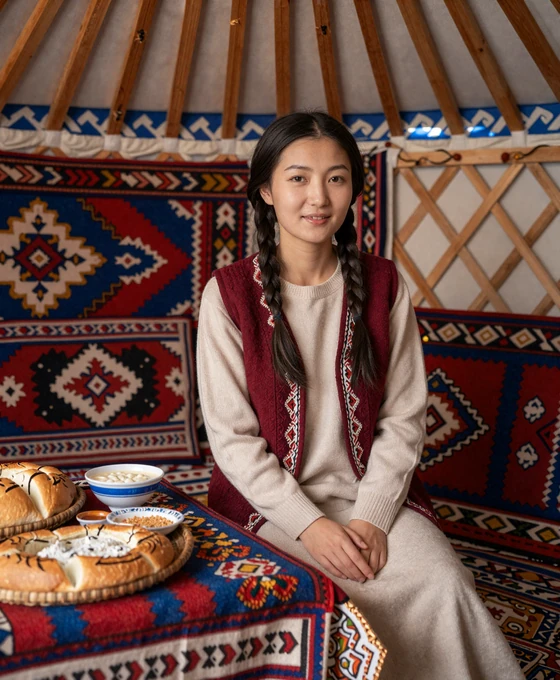
The yurt occupies a central place in Kyrgyz identity. Far more than a dwelling, it represents the Kyrgyz understanding of home - portable yet permanent, humble yet elegant, open to all guests. Yurt hospitality (konokchuluk) dictates that any traveler who arrives at a yurt must be fed, sheltered, and treated with honor before any questions are asked. This generous spirit translates directly into how Kyrgyz women treat their partners and families: with unstinting warmth, attentive care, and the conviction that a well-kept home is the foundation of a good life.
Modern Kyrgyzstan: Tradition Meets Progress
Since independence in 1991, Kyrgyzstan has been Central Asia's most democratic nation, with a vibrant civil society, free press, and progressive attitudes toward women's education and participation. Bishkek, the capital, is a modern city with universities, tech startups, and a cosmopolitan café culture. Young Kyrgyz women today navigate between their nomadic heritage and contemporary ambitions - earning university degrees, building careers, and engaging with global culture while maintaining deep connections to family traditions, clan identity, and the mountain landscapes that define their homeland.
If you have explored connections with Kazakh women, you will notice strong cultural parallels - both societies share Turkic nomadic roots, Islamic traditions, and a reverence for hospitality. However, Kyrgyz culture carries a distinctly warmer, less formal character shaped by the intimate scale of mountain community life, making Kyrgyz women often more approachable and openly expressive than their Kazakh counterparts.
- Nomadic heritage instills resilience, resourcefulness, and adaptability
- Legendary yurt hospitality shapes warm, generous partner qualities
- Most democratic Central Asian nation supports women's education and rights
- Mountain lifestyle builds physical strength and emotional endurance
- Turkic cultural identity blended with moderate Islamic values
- Bilingual society (Kyrgyz and Russian) with growing English proficiency
What Makes Kyrgyz Women Exceptional Partners
Kyrgyz women possess a combination of natural beauty, inner strength, and genuine warmth that distinguishes them across Central Asia. Their qualities are not abstract - they are the practical result of growing up in a culture that values hard work, family devotion, communal responsibility, and the quiet dignity of people who thrive in one of the world's most demanding landscapes.
Natural Beauty Shaped by Mountain Life
Kyrgyz women are renowned for their striking natural beauty - a blend of Turkic and Mongolic features that produces high cheekbones, luminous golden-toned skin, dark expressive eyes, and strong yet elegant facial structures. Unlike many urban Asian cultures where cosmetic intervention is common, Kyrgyz beauty standards favor natural appearance. Mountain air, clean water, organic foods, and active outdoor lifestyles contribute to a vitality and radiance that feels genuinely healthy rather than manufactured. Many American men describe meeting a Kyrgyz woman for the first time as encountering a beauty that feels untouched by modern artificiality.
Education and Professional Ambition
Kyrgyzstan has one of Central Asia's highest female literacy rates at over 99%. Women make up over 55% of university students, with strong representation in medicine, education, law, IT, and business management. This educational achievement means that Kyrgyz women bring intellectual curiosity, career ambition, and worldly awareness to relationships. She is not seeking a provider to replace her own capabilities - she is seeking a partner who matches her ambition and respects her intelligence.
Emotional Resilience and Adaptability
Growing up in a mountainous country with harsh winters, limited infrastructure outside major cities, and a post-Soviet economy that demanded resourcefulness from every family member, Kyrgyz women develop remarkable emotional resilience. They approach challenges practically rather than dramatically, adapt to new environments with characteristic flexibility, and maintain optimism through difficulties that might overwhelm less hardy personalities. This resilience makes them exceptionally well-suited to the challenges of cross-cultural relationships and international relocation.
Loyalty and Devotion
Nomadic culture demands absolute trust between family members - when your survival depends on those around you, loyalty becomes the highest virtue. Kyrgyz women carry this ancestral commitment into modern relationships. When she chooses you, her commitment is complete. Infidelity, emotional game-playing, and passive-aggressive communication are culturally alien to her. She expects the same loyalty in return, and she deserves it.
Family Values and Community Life in Kyrgyzstan
Family in Kyrgyzstan is not a nuclear unit - it is an extensive network of blood relatives, clan members, and community bonds that collectively shape every individual's identity, obligations, and social standing. Understanding this structure is essential because when you build a relationship with a Kyrgyz woman, you are joining this network, not extracting her from it.
The Clan System (Uruu)
Every Kyrgyz person belongs to a clan (uruu) and can typically trace their lineage seven generations back. Clan identity determines social networks, marriage eligibility (marriages within the same clan going back seven generations are traditionally prohibited), mutual support obligations, and community standing. Your Kyrgyz partner will know her clan genealogy by heart. Showing genuine interest in learning about her uruu - asking questions, remembering names, understanding how her family fits into the broader tribal structure - communicates respect that resonates deeply.
Elders and the Authority of Aksakal
Kyrgyz society reveres its elders (aksakal, literally "white beard"). Older men and women hold advisory authority over family decisions, conflict resolution, and marriage arrangements. When you meet her family, addressing the eldest members first, deferring to their guidance, and listening with genuine attention signals that you understand the cultural hierarchy. Dismissing elder authority or treating older family members as irrelevant marks you as culturally ignorant - a fatal flaw in any Kyrgyz family's assessment.
Gender Roles: Traditional Foundation, Modern Evolution
Traditional Kyrgyz gender roles assigned men the responsibilities of herding, protection, and external affairs, while women managed the household, raised children, processed food, and crafted the felt textiles (shyrdak, ala-kiyiz) that decorated and insulated the yurt. Modern Kyrgyz women maintain deep respect for domestic skills while also pursuing education and careers. The most successful cross-cultural relationships honor both her traditional homemaking pride and her modern professional aspirations without forcing her to choose between them.
This blend of traditional family centrality with progressive women's education mirrors patterns across the Central Asian region. Our guides on Uzbek women dating and Kazakh women dating explore how related Turkic cultures balance heritage and modernity in relationships - useful reading for men building cultural fluency across the region.
Kyrgyz Dating Customs - A Respectful Western Man's Guide
Dating in Kyrgyzstan combines Central Asian traditions with an openness to international connections that you will not find in more conservative neighboring countries. Kyrgyz women are generally more approachable and socially outgoing than women in Uzbekistan or Tajikistan, yet they maintain cultural expectations that require genuine understanding. These practical guidelines will help you navigate the dating landscape with confidence and cultural sensitivity.
-
Begin With Respect, Not Flattery
Kyrgyz women appreciate sincere compliments but distrust excessive flattery. Begin conversations by expressing genuine interest in her life, education, work, and family rather than focusing on her physical appearance. Ask about Kyrgyzstan - its mountains, traditions, and food. She will be far more impressed by a man who researches her country than one who leads with superficial charm.
-
Family Introduction Comes Early
Unlike Western dating where family meetings happen after months of exclusivity, Kyrgyz families want to know about a potential partner relatively early. She may mention you to her parents and siblings within weeks of serious conversation. This is not pressure - it is her including her support system in a decision they will all be affected by. Welcome it as a sign of seriousness rather than premature intensity.
-
Share a Meal - Food Is How Trust Is Built
Kyrgyz culture builds relationships through shared meals. Beshbarmak (boiled meat and noodles, literally "five fingers" because it is eaten by hand), lagman (hand-pulled noodle soup), manty (steamed dumplings), and kumys (fermented mare's milk) are not just food - they are expressions of hospitality and connection. Accepting every dish offered, eating with appreciation, and complimenting the cook demonstrates the respect that Kyrgyz families consider essential.
-
Understand That Modesty Has Nuance
Kyrgyzstan is more moderate than many Islamic nations. Women in Bishkek dress in modern Western clothing, socialize openly, and hold progressive views on gender equality. Women in rural areas and the Fergana Valley tend toward more conservative dress and behavior. Do not assume a single standard - let her lead on what is appropriate for her family and community context. Public displays of affection are generally avoided early in relationships but become more acceptable as the relationship formalizes.
-
Learn Basic Kyrgyz and Russian Phrases
Kyrgyz is the national language, Russian is widely spoken as a lingua franca, and English proficiency is growing but not universal outside Bishkek. Learning greetings - Salam (hello), Rahmat (thank you), Jakshynaby (how are you) - demonstrates effort that her family will appreciate enormously. Even imperfect pronunciation shows respect for her linguistic heritage.
-
Demonstrate Stability and Seriousness
Kyrgyz families evaluate a man's character through tangible evidence: stable employment, clear life goals, respectful demeanor, and the ability to provide for a family. Be direct about your career, finances, and intentions. Vagueness or evasiveness raises immediate suspicion. Kyrgyz culture values straightforward communication over diplomatic ambiguity - say what you mean, mean what you say.
Marriage Traditions in Kyrgyzstan - Past, Present, and Future
Marriage in Kyrgyz culture is one of life's most significant events - a union that joins not just two individuals but two extended family networks. Understanding the traditional wedding process, modern adaptations, and the critical issue of bride kidnapping gives you the cultural context needed to approach marriage with a Kyrgyz woman respectfully and knowledgeably.
The Traditional Wedding Process
Kyrgyz weddings follow a structured sequence of events that involve both families at every stage. While modern urban weddings have adopted some Western elements, the traditional framework remains the cultural foundation.
| Stage | Process | What Happens |
|---|---|---|
| 1. Kuda Tüshüü (Matchmaking) | Groom's family sends respected elders to the bride's family | Intentions declared, families assess compatibility and social standing |
| 2. Söyko Saluu (Earring Ceremony) | Formal engagement marked by gifting earrings to the bride | Engagement rings exchanged, bride receives gold earrings symbolizing commitment |
| 3. Kalym Negotiation (Bride Price) | Families negotiate the bride price - livestock, money, or goods | Amount reflects family status; modern kalym often includes cash, gold, and household items |
| 4. Nikah (Islamic Marriage Ceremony) | Religious ceremony officiated by a mullah | Marriage contract signed, vows exchanged, families witness the union |
| 5. Toi (Wedding Feast) | Grand celebration with 200-500+ guests | Beshbarmak feast, horse games, traditional music, dancing, gift-giving |
| 6. Kelin Churoo (Bride's Arrival) | Bride formally enters the groom's family home | She crosses the threshold with ritual blessings from mother-in-law |
Bride Kidnapping: Awareness and Modern Rejection
Ala kachuu (bride kidnapping) is a practice where a man abducts a woman - sometimes a stranger, sometimes an acquaintance - and pressures her and her family into accepting marriage. This practice is illegal under Kyrgyz law, criminalized with penalties of up to 10 years imprisonment, and firmly rejected by educated Kyrgyz women, civil society organizations, and the international community. Despite legal prohibition, some rural communities still practice it, and an estimated 12-15% of marriages in Kyrgyzstan may involve some element of coercion.
It is critically important for Western men to understand that this practice is not romantic, not traditional in any honorable sense, and not something any legitimate partner or family endorses. Modern Kyrgyz women and progressive families actively campaign against bride kidnapping. Organizations like the Kyz Korgon Institute and international NGOs work tirelessly to educate communities and support victims. When you connect with a Kyrgyz woman through our platform, you are connecting with women who have chosen their own path - women whose families respect their right to choose their own partner.
Kalym: The Bride Price Tradition
Kalym (bride price) is a payment from the groom's family to the bride's family that compensates for the "loss" of a daughter and demonstrates the groom's family's financial commitment. Modern kalym in urban settings is increasingly symbolic - often a negotiated cash amount supplemented by gifts, gold jewelry for the bride, and contributions toward wedding costs. In rural areas, kalym may still involve livestock (horses, cattle, sheep). As a foreign man, discuss kalym openly and respectfully with her family during the engagement process. Treating it as a business transaction rather than a cultural ceremony will damage trust irreparably.
The kalym tradition shares similarities with bride price customs found across Central Asia. Our guide on Tajik women dating explores how Persian-influenced Tajik families navigate comparable marriage negotiations, providing useful comparative context for men interested in the broader region.
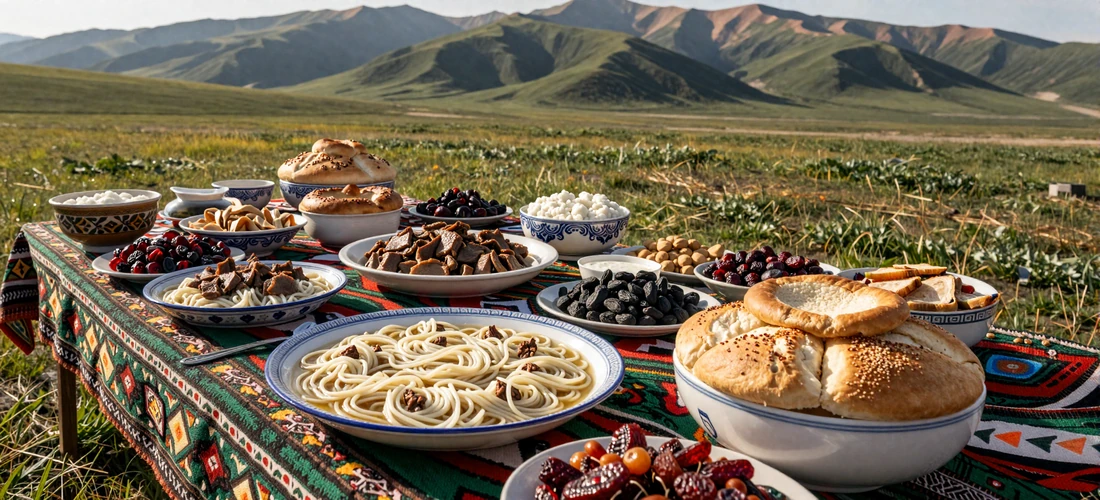
Cultural Tips for Building Trust with a Kyrgyz Woman
Building a lasting connection with a Kyrgyz woman requires specific cultural awareness that goes beyond general dating advice. These practical dos and don'ts are drawn from the realities of Kyrgyz social norms, family expectations, and the values that your partner will consider non-negotiable.
✅ Do
- Accept every food and drink offered - refusing hospitality is deeply offensive in nomadic culture
- Remove shoes when entering a home - especially before stepping on felt carpets
- Address elders first and with respect - age hierarchy structures all social interaction
- Show genuine interest in her family and clan - ask about her uruu and ancestral heritage
- Bring gifts when visiting - sweets, fruits, quality tea, or small items from your home country
- Learn about the Manas epic - the 500,000-line oral poem is the soul of Kyrgyz national identity
- Appreciate her domestic skills - felt crafting, cooking, and homemaking carry cultural pride
- Be physically active together - Kyrgyz women love hiking, horseback riding, and outdoor life
❌ Don't
- Never point your feet at someone - especially elders; it is considered extremely disrespectful
- Avoid criticizing her country or comparing it unfavorably - national pride runs deep
- Don't rush physical intimacy - let her set the pace; public affection is reserved for committed couples
- Never make light of bride kidnapping - it is a traumatic practice, not a cultural curiosity
- Don't sit with your back to the door - the seat facing the entrance is reserved for honored guests
- Avoid alcohol excess around her family - moderate drinking is accepted but drunkenness is deeply shameful
- Don't discuss her family's finances or private matters publicly - discretion is valued
- Never step over a person or their belongings - this carries strong superstitious offense
The Role of Islam in Daily Life
Kyrgyzstan practices a moderate, tolerant form of Sunni Islam blended with pre-Islamic shamanic and Tengriist traditions. Most Kyrgyz families observe Islamic holidays (Eid al-Fitr, Eid al-Adha), value halal food practices, and respect prayer traditions without the strict conservatism found in countries like Afghanistan or Saudi Arabia. Your Kyrgyz partner may wear a headscarf or may not - individual and family choice varies widely. Approaching her faith with genuine curiosity rather than judgment demonstrates the cultural maturity that Kyrgyz families seek in a foreign partner.
The moderate Islamic practice in Kyrgyzstan contrasts with the more conservative observance you may encounter when connecting with Uzbek women, where mahalla (neighborhood community) oversight and formal religious customs play a larger role in daily life and relationship progression.
Key Takeaways: Dating Kyrgyz Women Successfully
Kyrgyz women dating rewards men who approach with genuine respect for Central Asian traditions, patience with family-centered courtship, and appreciation for the extraordinary qualities that nomadic heritage, mountain resilience, and modern education combine to produce. Here is what matters most:
- Nomadic heritage shapes everything. Hospitality, loyalty, resilience, and family devotion are not cultural decorations - they are survival values forged over centuries that define how she approaches love and partnership.
- Family and clan are her foundation. Your relationship with her is inseparable from your relationship with her extended family and uruu. Earning their trust is the only path to a lasting connection.
- Natural beauty matches inner strength. Kyrgyz women combine striking physical beauty with intellectual ambition, emotional resilience, and a domestic warmth that creates the kind of partnership many American men have searched for unsuccessfully at home.
- Bride kidnapping is condemned, not celebrated. Modern Kyrgyz women actively reject this practice. Connecting through our platform means connecting with women who choose their own partners freely and expect respect for that choice.
- Moderate Islam allows genuine compatibility. Kyrgyzstan's tolerant Islamic practice, combined with pre-Islamic cultural traditions, creates a spiritual framework that most Western men can respect and accommodate comfortably.
- Cultural effort is your greatest advantage. Learning about the Manas epic, trying beshbarmak, appreciating felt crafts, and respecting elder authority communicate a sincerity that separates serious partners from casual tourists.
Frequently Asked Questions About Kyrgyz Women Dating
Online dating is growing rapidly in Kyrgyzstan, particularly in Bishkek and other urban centers. Younger Kyrgyz women use social media and dating platforms to connect with both local and international partners. Our platform features verified Kyrgyz women who have specifically expressed interest in cross-cultural relationships with Western men. Internet penetration in Kyrgyzstan exceeds 70%, making digital connections increasingly accessible even in smaller cities.
Kyrgyzstan practices moderate Islam, and requirements vary by family. Some traditional families prefer a Muslim husband, while many progressive families welcome non-Muslim partners who show respect for Islamic customs and Kyrgyz traditions. Conversion is not universally required as it might be in more conservative Islamic societies. Discussing religious expectations honestly with her family during the courtship process is essential to avoid misunderstandings.
Kalym is a traditional payment from the groom family to the bride family. In modern urban settings, kalym ranges from symbolic amounts to several thousand dollars, supplemented by gold jewelry for the bride, household items, and wedding cost contributions. In rural areas, livestock (horses, cattle) may still be part of negotiations. As a foreign partner, approach kalym as a respectful cultural tradition rather than a financial transaction. Your willingness to participate demonstrates cultural commitment.
Kyrgyzstan is generally safe for tourists and is one of Central Asia most welcoming countries for international visitors. Bishkek is a modern city with international hotels, restaurants, and reliable transportation. Rural areas require more preparation but offer extraordinary mountain scenery and authentic cultural experiences. Standard travel precautions apply. Her family will likely arrange accommodations and logistics for your visit, reflecting the deep hospitality culture.
Most Kyrgyz women are bilingual in Kyrgyz and Russian. English proficiency is growing among younger urban women, particularly university graduates. Our platform provides translation support for communication. Learning basic Kyrgyz greetings like Salam, Rahmat, and Jakshynaby demonstrates genuine effort that her family will deeply appreciate. Russian is also widely understood and can serve as a communication bridge.
Bride kidnapping (ala kachuu) is illegal in Kyrgyzstan with penalties up to 10 years imprisonment. While it still occurs in some rural communities, it is firmly rejected by educated Kyrgyz women, civil society organizations, and the international community. Women on our platform have chosen their own path to find a partner. They expect and deserve the freedom to make their own relationship decisions. Never romanticize or trivialize this practice.
Family approval is very important in Kyrgyz culture. Your partner will want her parents, siblings, and clan elders to meet you and form their own assessment of your character, stability, and intentions. This family involvement is not a barrier - it is a cultural asset that provides your relationship with a built-in support network. The families who embrace you will become your strongest advocates throughout the relationship.
The K-1 fiancé visa is the standard pathway for bringing a Kyrgyz fiancée to the United States. You must have met in person within the past two years, demonstrate a genuine relationship, and file Form I-129F with USCIS. Processing times average 8 to 14 months. The US Embassy in Bishkek handles visa interviews. Our platform provides K-1 visa guidance resources to help navigate the process. Having documented evidence of your relationship - chat logs, photos, travel records - strengthens your application significantly.