
Timorese Women Looking for Lasting Love
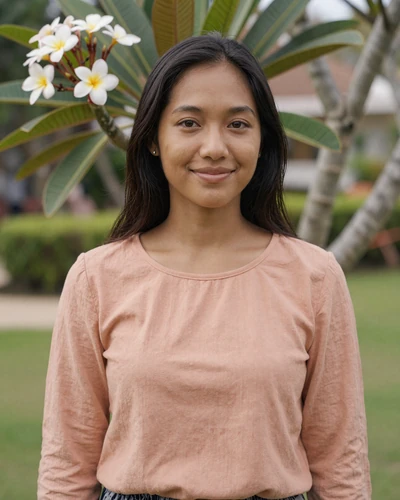 ✓
✓
Ana Soares
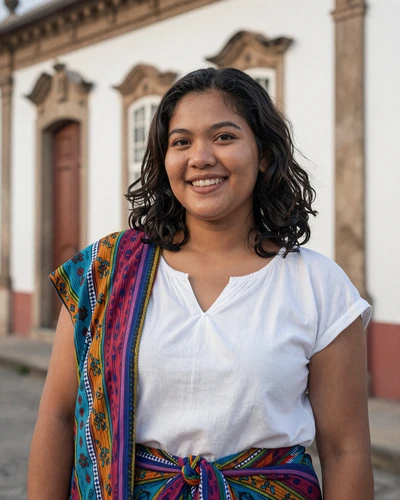 ✓
✓
Maria da Costa
 ✓
✓
Lucia Guterres
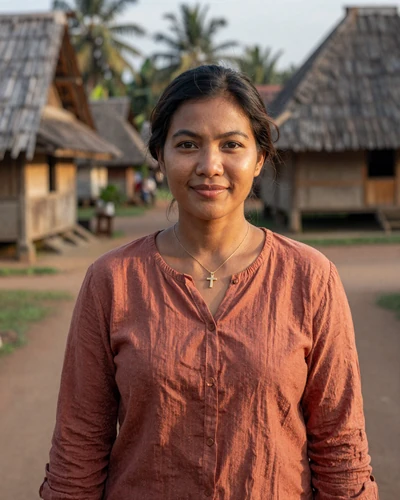 ✓
✓
Rosa Alves
 ✓
✓
Isabel Ximenes
 ✓
✓
Celestina Pereira
 ✓
✓
Domingas Martins
 ✓
✓
Filomena Correia
Timor-Leste - A Young Nation with Deep Cultural Roots
Timorese women dating opens the door to one of Southeast Asia's most unique and culturally rich societies. Timor-Leste - officially the Democratic Republic of Timor-Leste - declared independence from Indonesia in 2002, making it one of the youngest nations on earth. But the cultural roots of this small island nation stretch back thousands of years, layered with Austronesian indigenous traditions, over 400 years of Portuguese colonial influence, and a deeply embedded Catholic faith that defines daily life for approximately 97% of the population.
This rare cultural fusion creates women unlike any other in the region. Timorese women carry the warmth and communal spirit of Melanesian and Southeast Asian traditions, the romantic expressiveness inherited from centuries of Portuguese cultural exchange, and the moral framework of devout Catholicism. The result is a woman who is simultaneously nurturing and strong, traditionally grounded yet surprisingly open to cross-cultural connection.
Portuguese Heritage and Its Lasting Influence
Portugal colonized Timor from the 16th century until 1975, leaving an indelible imprint on the nation's language, religion, architecture, and social customs. Portuguese (Portugués) remains one of two official languages alongside Tetum, and many educated Timorese women speak both fluently. This European linguistic connection creates a bridge that American men rarely find in other Southeast Asian dating contexts - Timorese women tend to understand Western communication styles more intuitively than women from cultures without direct European heritage.
The Portuguese introduced Roman Catholicism, which the Timorese embraced so thoroughly that it became central to national identity, especially during the Indonesian occupation (1975-1999) when the Church served as the primary institution defending Timorese rights. Unlike her neighbors in Indonesia, where Islam shapes the cultural landscape, a Timorese woman's worldview is built on Catholic principles of forgiveness, sacrifice, family unity, and the sanctity of marriage.
Tetum Culture and Indigenous Traditions
Beneath the Catholic and Portuguese layers lies an ancient Austronesian culture with distinct animist traditions that still influence modern Timorese life. The concept of lulik (sacred) governs the relationship between people, ancestors, and the land. Sacred houses (uma lulik) serve as spiritual centers for family clans, housing ancestral relics and hosting ceremonies that mark births, marriages, deaths, and harvests. When dating a Timorese woman, understanding that her identity connects not only to her Catholic parish but also to her ancestral uma lulik demonstrates a depth of cultural awareness that she will deeply appreciate.
Timor-Leste's 13 districts are home to over 30 indigenous language groups, each with their own customs and traditions. This diversity means that a woman from the mountainous Ainaro district may hold different cultural expectations than a woman from coastal Dili. Asking your partner about her specific ethnic background and district traditions shows genuine interest in who she is - not just where she comes from.
The Heart and Character of Timorese Women
Timorese women are shaped by a history of extraordinary struggle and survival. The 24-year Indonesian occupation (1975-1999) claimed an estimated one-third of the population through violence, famine, and disease. The women who survived - and their daughters - carry a resilience that permeates every aspect of their character. This is not the fragile resilience of endurance alone. It is the active, vibrant resilience of women who helped rebuild an entire nation from the ashes of conflict, who walked miles to vote in the independence referendum of 1999, and who continue to drive their communities forward with quiet, determined strength.
When you date a Timorese woman, you connect with someone whose capacity for perseverance through difficulty is built into her cultural DNA. Challenges that would discourage women in more comfortable societies are met by Timorese women with pragmatic resolve and an almost spiritual calm that they attribute to their Catholic faith.
- Unshakable resilience - forged through national hardship and personal adversity
- Deep Catholic faith - prayer, forgiveness, and spiritual devotion guide daily decisions
- Community-first mindset - she thinks in terms of "we," not "I"
- Warmth and hospitality - guests are treated with genuine generosity regardless of circumstances
- Loyalty and commitment - when she commits, it is absolute and lifelong
- Resourcefulness - creative problem-solving born from growing up in a developing nation
- Expressive affection - Portuguese cultural influence makes Timorese women more openly romantic than many Southeast Asian counterparts
- Family devotion - her children, parents, and extended clan come before personal ambition
The community-oriented personality of Timorese women shares notable similarities with Filipino women, who are also shaped by centuries of Catholic tradition and a strong emphasis on family bonds. Both cultures prioritize collective well-being over individual achievement, and both produce women who approach relationships with genuine selflessness and devotion. However, Timorese women carry a distinct cultural identity shaped by their nation's unique independence struggle and Melanesian indigenous heritage that sets them apart.
Physical Beauty and Presence
Timorese women possess a distinctive appearance that reflects the island's Melanesian and Austronesian heritage. Warm golden-brown skin, dark expressive eyes, and strong features combine with a natural grace that many American men find captivating. Timorese women tend to dress modestly, often incorporating their traditional tais cloth - handwoven textiles with intricate geometric patterns unique to each district - into everyday outfits. This connection to traditional dress reflects pride in cultural identity rather than fashion statement, and complimenting her tais is a meaningful gesture that signals your cultural awareness.
Family and Catholic Values in Timorese Society
The Catholic Church occupies a central position in Timorese life that goes far beyond Sunday Mass attendance. During the Indonesian occupation, the Church was the only institution that consistently defended Timorese rights, sheltered refugees, and documented human rights abuses. This history transformed Catholicism from an inherited religion into a core element of national identity. When a Timorese woman tells you that her faith matters, she is expressing something inseparable from her patriotism, her family story, and her personal identity.
How Faith Shapes Relationships
Approximately 97% of Timorese identify as Roman Catholic, and religious observance is woven into the rhythm of daily life. Morning and evening prayers, Sunday Mass, feast day celebrations for patron saints, and Holy Week observances structure the year. For relationships, this means:
- Marriage is a sacrament, not a contract. Timorese women view marriage as a permanent, sacred bond. Divorce, while legally possible, carries significant social stigma and is relatively rare.
- Pre-marital intimacy is discouraged. Conservative families expect couples to maintain modesty before marriage. Physical boundaries in dating are stricter than in Western dating culture.
- Church approval matters. Having your relationship blessed by her parish priest carries weight similar to family approval. Some families will not proceed with wedding planning until the Church has been consulted.
- Religious compatibility is preferred. While Timorese families are generally less rigid than Muslim-majority cultures about religious conversion, being Catholic (or at least Christian) removes a significant barrier. Willingness to participate in Mass and religious celebrations demonstrates respect.
The Extended Family System
Timorese families operate as large extended networks where aunts, uncles, cousins, and grandparents share resources, childcare responsibilities, and decision-making authority. The concept of individual nuclear-family living that Americans take for granted is uncommon in Timor-Leste. When you marry a Timorese woman, you become part of this broader network - with all the support, warmth, and mutual obligations it entails.
The family patriarch (typically the eldest male) holds authority over major decisions, but Timorese women exercise considerable influence within the household. Mothers and grandmothers are respected as the emotional and spiritual anchors of the family. Your partner's mother will be one of the most important people in your relationship - earning her approval is not optional; it is essential.
Community Bonds and Mutual Support
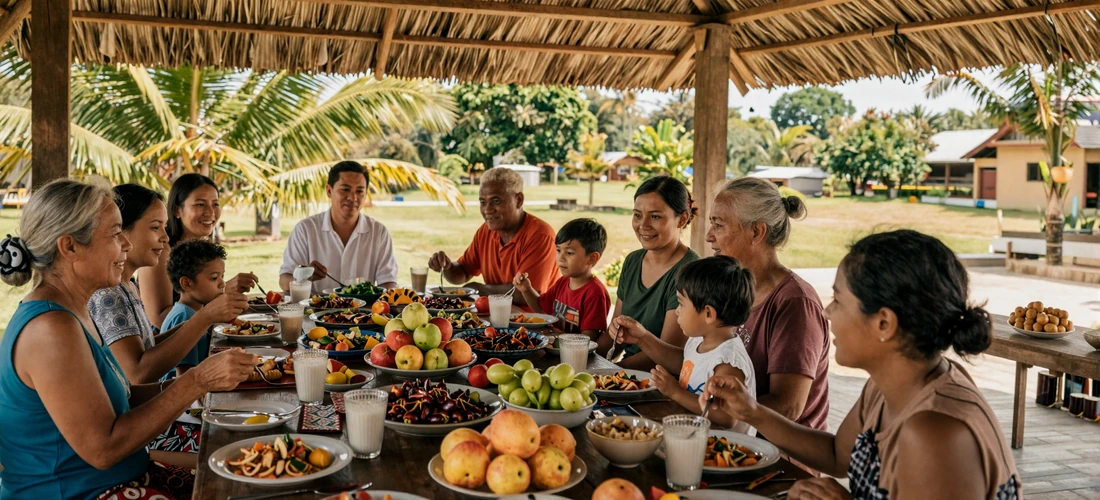
Timorese communities practice a form of collective reciprocity where families support each other through labor exchanges, shared harvests, and mutual assistance during ceremonies, illnesses, or hardships. This system - similar to the bayanihan tradition among Filipino communities - means that your partner expects her relationship to exist within a broader social context, not in isolation. Attending community events, contributing to village projects, and showing generosity toward her extended network are practical ways to demonstrate your commitment to her world.
Dating Customs in Timor-Leste for Western Men
Dating in Timor-Leste operates within a cultural framework that blends Catholic moral expectations, indigenous customs, and the practical realities of life in a developing nation. There is no established "dating scene" as Americans understand it - no apps, no bars, no casual hookup culture. Relationships are community affairs, guided by family involvement from the earliest stages. For Western men, navigating this landscape requires patience, cultural humility, and a genuine willingness to adapt.
-
Approach Through Community, Not in Isolation
Cold-approaching a Timorese woman on the street or in a cafe is culturally inappropriate. Introductions typically happen through mutual connections - church groups, community events, family networks, or trusted online platforms. Being introduced by someone she already trusts removes the suspicion barrier and establishes your credibility immediately. Our platform serves this function by providing verified profiles and secure communication channels.
-
Demonstrate Seriousness From the Start
Timorese women do not date casually. When she agrees to communicate with you, she is evaluating you as a potential husband - period. Mention your interest in building a family, your respect for Catholic values, and your desire for a lifelong partner early in conversation. Vague statements about "seeing where things go" signal a lack of commitment that will end her interest quickly.
-
Respect Her Modesty Boundaries
Public displays of affection are uncommon in Timorese culture. Holding hands may be acceptable in urban Dili, but kissing, embracing, or other physical contact in public - especially in rural areas - draws negative attention. Follow her lead on physical boundaries and never push for intimacy before she indicates readiness. Her comfort level reflects not only personal preference but also the social expectations placed on her by family and community.
-
Learn Basic Tetum Phrases
While many educated Timorese women in Dili speak some English and Portuguese, learning basic Tetum greetings transforms how she perceives your sincerity. Bondia (good morning), Obrigadu (thank you, male speaker), Hau hadomi ó (I love you), and Diak ka? (How are you?) demonstrate effort that Timorese families deeply appreciate.
-
Be Prepared for Bride Price Discussions
Bride price (barlake) is a traditional practice where the groom's family provides gifts - often livestock, woven cloths, and money - to the bride's family. This is not a purchase; it is a symbolic exchange that formalizes the union between two families and acknowledges the value of the woman leaving her birth family. Approach barlake discussions with respect rather than transactional frustration. The specifics are negotiated between families.
-
Participate in Her Faith Actively
Attending Mass with her, observing religious holidays, and showing genuine interest in her parish community are among the most powerful ways to build trust with a Timorese woman and her family. Even if you are not Catholic, respectful participation demonstrates your willingness to honor the spiritual foundation of her life.
Timorese Marriage Traditions and Customs
Marriage in Timor-Leste is a complex, multi-layered event that intertwines Catholic sacramental requirements with indigenous customs that predate European contact by centuries. Understanding each tradition helps you navigate the process with confidence and shows your partner's family that you take their cultural heritage seriously.
| Tradition | Description | Cultural Significance |
|---|---|---|
| Barlake (Bride Price) | Groom's family gifts livestock (buffalo, horses, goats), tais cloth, and cash to bride's family | Formalizes family alliance, compensates bride's clan for her departure, establishes mutual obligation between families |
| Fetosaa-Umane (Wife-Giver/Wife-Taker) | Formalized relationship between the bride's family (fetosaa, wife-giver) and groom's family (umane, wife-taker) | Creates a permanent reciprocal bond between two clans that extends far beyond the couple themselves |
| Uma Lulik Ceremony | Ritual at the sacred ancestral house seeking ancestral blessing for the union | Connects the marriage to the spiritual lineage of both families, honoring ancestors who came before |
| Catholic Church Wedding | Formal sacramental ceremony officiated by a priest, typically with full Nuptial Mass | Fulfills religious obligation, considered the primary spiritual validation of the marriage |
| Tais Exchange | Both families exchange handwoven tais cloths representing their district and clan identity | Symbolic merging of two cultural identities, tais patterns carry ancestral meanings |
| Community Feast | Large celebration with traditional food, music, and tebe-tebe dancing involving the entire community | Public acknowledgment of the union, community witnesses and validates the marriage |
| Counter-Gifts (From Bride's Family) | Bride's family provides gifts in return - typically woven goods, food, and household items | Establishes the reciprocal nature of the family alliance; neither side should feel indebted |
Barlake: Understanding Bride Price Without Western Bias
The barlake system is often misunderstood by Westerners as "buying a bride." This interpretation fundamentally misreads the cultural function. Barlake is a family alliance negotiation that creates a permanent bond between two clans. The bride's family is not selling their daughter - they are establishing the terms under which two families will be connected for generations. The gifts flow in both directions: the groom's family provides barlake, and the bride's family reciprocates with counter-gifts. This exchange creates mutual obligations, shared celebrations, and a support network that benefits both families long after the wedding.
Barlake amounts vary dramatically by district, family status, and individual negotiation. In some areas, the expectation may include several buffalo (each worth $300-$1,500), multiple goats, woven tais, and a cash component. In urban Dili, more modernized families may agree on simplified arrangements. Discuss expectations openly with her family, ideally through a trusted intermediary who can help you navigate cultural nuances.
This practice of bride price negotiation shares similarities with customs found in Indonesian cultures, particularly among the eastern Indonesian ethnic groups that share Timorese Austronesian heritage. Understanding regional variations in marriage customs prepares you for the rich complexity of Southeast Asian relationship traditions.
Building a Meaningful Relationship with a Timorese Woman
A successful relationship with a Timorese woman requires understanding that you are not just dating an individual - you are integrating into a family, a community, and a cultural worldview that places collective well-being above individual desire. The men who thrive in these relationships are those who embrace this communal perspective as an enrichment of their own life rather than a limitation.
Earning Her Family's Trust
Family approval is the non-negotiable foundation of any Timorese relationship. Her father, uncles, and older brothers will evaluate your character, your intentions, and your ability to provide for their daughter. This evaluation is not a single event - it is an ongoing process that unfolds over months of consistent, respectful interaction.
- Visit her family regularly and participate in household activities
- Bring practical gifts - not luxury items, but things her family can use
- Show respect to elders by using formal address and deferential body language
- Accept every offering of food and drink graciously, even if unfamiliar
- Ask her father's advice on matters - this signals that you value his authority
- Be transparent about your finances, career, and future plans
Long-Distance Realities
Timor-Leste's internet infrastructure is limited, particularly outside Dili. Wi-Fi speeds are slow, power outages are common, and mobile data coverage is inconsistent in rural areas. Long-distance communication will require patience and flexibility. Schedule video calls during her most reliable connection times (usually evenings in Dili), keep expectations realistic about response times, and use the platform's messaging system which is optimized for low-bandwidth connections.
When planning your first visit, fly into Presidente Nicolau Lobato International Airport in Dili. The capital offers basic but adequate accommodations and serves as the starting point for trips to her district. Internal travel can be challenging - roads between districts are often unpaved and distances that look short on a map may take hours by vehicle. Embrace the adventure; your willingness to navigate her country's infrastructure challenges demonstrates genuine commitment.
Navigating Cultural Differences with Grace
The biggest cultural adjustments for American men dating Timorese women typically involve pace and privacy. Timor-Leste operates on "Timor time" - schedules are flexible, meetings start late, and urgency is rare. This relaxed approach extends to relationship progression. Your Timorese partner may not respond to messages immediately, may prioritize family obligations over your plans, and may need weeks to make decisions that you would make in hours. This is not disinterest - it is cultural rhythm.
Privacy expectations also differ. In tight-knit Timorese communities, your relationship is everyone's business. Neighbors observe, relatives comment, and the local priest may offer unsolicited counsel. Rather than resisting this communal involvement, recognize it as the support network that will surround your marriage. The same neighbors who monitor your courtship will bring food when your first child is born, help build your home, and stand beside you through every challenge.
Men interested in connecting with women from other developing Southeast Asian nations will find helpful parallels in our guides on Cambodian women dating, where similar themes of resilience, faith, community bonds, and traditional family structures shape the relationship landscape.
Planning for the Future: Visa and Immigration
If your relationship progresses toward marriage and relocation to the United States, the K-1 fiancé visa is the most common pathway. The process requires documented evidence of your in-person meeting, proof of genuine relationship, and completion of extensive USCIS paperwork. Processing times from Timor-Leste may be longer than average due to limited U.S. consular services in the country - your fiancée's visa interview will likely be conducted at the U.S. Embassy in Jakarta, Indonesia, or another nearby post. Begin the process early and consult an immigration attorney experienced with Southeast Asian applications.
Key Takeaways: Dating Timorese Women Successfully
Timorese women dating is a rewarding journey for American men who value faith, family, resilience, and authentic human connection. Here is what you need to remember:
- Catholic faith is the cornerstone. Her spiritual life is not a peripheral detail - it is the organizing framework of her existence. Participate respectfully in her religious life and honor the sacramental view of marriage.
- Family approval is non-negotiable. Your relationship with her father, mother, and extended clan determines whether the relationship can proceed. Invest in these relationships from day one.
- Barlake is a family alliance, not a transaction. Approach bride price negotiations with cultural respect and an understanding that this tradition creates lifelong bonds between two families.
- Resilience defines her character. Timorese women have survived and rebuilt from extraordinary national trauma. She brings strength, resourcefulness, and unwavering loyalty to every relationship.
- Community involvement is a feature, not a bug. Embrace the communal nature of Timorese relationships. The network that surrounds your courtship will support your marriage for life.
- Patience with infrastructure and pace. Timor-Leste is a developing nation. Slow internet, flexible schedules, and challenging logistics require adaptability and good humor.
- Learn Tetum basics and appreciate tais culture. Small cultural gestures - greeting her in Tetum, complimenting her woven tais cloth, participating in community meals - demonstrate the sincerity that Timorese families need to see.
Frequently Asked Questions About Timorese Women Dating
Online dating is still emerging in Timor-Leste due to limited internet infrastructure, but it is growing among younger, educated women in Dili and the Timorese diaspora in Australia, Portugal, and the UK. Our platform provides a secure, verified environment for connecting with Timorese women who are serious about finding international partners. Most connections begin online and develop through a combination of messaging, video calls, and eventual in-person visits.
Being Catholic significantly eases the relationship path. Approximately 97% of Timorese are Roman Catholic, and the Church plays a central role in wedding ceremonies and family life. Non-Catholic Christians are generally accepted by most families, though willingness to participate in Catholic rituals is expected. If you are non-religious or follow a different faith, open and honest discussion with her family early in the relationship is essential to avoid misalignment.
Barlake is the traditional bride price system where the groom family provides gifts - typically livestock (buffalo, goats, horses), handwoven tais cloth, and cash - to the bride family. Amounts vary widely by district and family status, ranging from a few hundred to several thousand dollars in total value. Barlake is a family alliance negotiation, not a purchase. The bride family reciprocates with counter-gifts. Discuss expectations early through a trusted family intermediary.
Tetum is the most widely spoken language and learning basics shows tremendous respect. Portuguese is the other official language. Many educated young Timorese women in Dili also speak some English. Our platform offers translation tools to facilitate communication. Focusing on basic Tetum greetings - bondia (good morning), obrigadu (thank you), and diak (good) - makes a powerful first impression.
Timor-Leste is generally safe for international visitors, with low violent crime rates. However, infrastructure is limited - expect unpaved roads, basic accommodations outside Dili, and occasional power outages. The capital Dili has adequate hotels and restaurants. Travel between districts requires careful planning. Book through local operators, follow your partner family guidance on logistics, and carry essential supplies for rural visits.
Timorese families are generally open to cross-cultural marriages, particularly with men who demonstrate respect for Catholic values, family traditions, and community involvement. The Portuguese colonial history means Timorese culture has long experience with cultural blending. However, family approval remains essential, and your willingness to participate in barlake negotiations, attend Church, and engage with community life will determine whether her family welcomes you.
Timor-Leste has no U.S. Embassy, so your fiancée visa interview will typically be conducted at the U.S. Embassy in Jakarta, Indonesia, requiring international travel and additional logistics. Processing times may be longer than average. Documenting your in-person meeting with photographs, travel records, and communication history is critical. Start the USCIS petition process early and consider hiring an immigration attorney experienced with Southeast Asian applications.
Practical gifts are valued more than luxury items. Consider bringing quality household goods, clothing, school supplies for younger family members, and food items. Coffee is culturally significant in Timor-Leste - bringing premium coffee or coffee-related gifts shows cultural awareness. Avoid overly expensive gifts that may create uncomfortable power dynamics. The gesture of giving matters more than the monetary value.